Understanding eDiscovery Software Costs: Tips for Smarter Spending

Ready to get started?
built for clarity, control, and scale.
Share
eDiscovery can be one of the priciest components of any legal case, composing a large slice of litigation budgets. According to ComplexDiscovery’s 2024-2029 market forecast, global eDiscovery spending stood at $16.89 billion in 2024 and is expected to rise to $25.11 billion by 2029, with processing, collection, and document review all absorbing major shares of that cost.

When you’re evaluating how much you should spend on eDiscovery software, it’s critical to understand what drives those costs. Every platform charges differently, from data ingestion and processing to review, licensing, and storage.
Having clarity about those factors is the first step in eDiscovery cost control, in other words, reducing your total spend without sacrificing speed, functionality, or defensibility.
eDiscovery Costs Vary Without Industry Standards
How do you currently calculate your eDiscovery cost? For many legal teams, it’s still an estimate, often based on limited data or vendor quotes that vary widely. Despite years of industry growth, there’s still no universal benchmark for pricing.
The GW Proportionality Initiative is one of the few efforts aiming to change that. This collaboration of legal and technology experts is developing a framework and cost calculator that factors in data volume, number of custodians, and the complexity of information retrieval, all key elements that impact eDiscovery software cost.
Until such standards take hold, your real costs depend heavily on your vendor’s pricing model. Understanding that structure is essential for effective eDiscovery cost control, and for knowing exactly where your budget goes.

What Are the Top eDiscovery Cost Drivers?
Several factors influence your overall eDiscovery software cost. Understanding these drivers helps you plan better, compare vendors more effectively, and strengthen your eDiscovery cost control strategy.

Data Management
Every case involves managing massive volumes of data. Even small matters can generate gigabytes of information, which most vendors charge for by the gigabyte. Costs quickly add up once ingestion, extraction, and de-duplication come into play.
Some platforms also include add-on charges for project management or extra features. Always review how each eDiscovery tool breaks down its fees to ensure you’re paying for value—not inflated storage or data handling rates.
Processing Data
Processing is one of the most time-consuming stages of eDiscovery and often one of the costliest. Vendors may charge premium rates for faster speeds, but that doesn’t always guarantee better results.
Ask how your provider’s pricing correlates with performance. Some modern solutions use automation and AI to maintain processing speed without spiking your eDiscovery cost, delivering both efficiency and savings.
Training Expenses
Complex software often requires extensive training, adding hidden expenses to your budget. Certification programs and long onboarding sessions can slow adoption and inflate your overall eDiscovery software cost.
Opt for a user-friendly platform that aligns with your existing workflows. Intuitive systems reduce the learning curve, minimize training costs, and give your team a faster path to productivity, all contributing to better eDiscovery cost control.
How You Host
Your hosting choice has a direct impact on total eDiscovery cost. On-premises setups demand capital investment in servers, hardware, energy, and maintenance, expenses that can escalate over time.
Cloud-based eDiscovery software removes those burdens. With provider-managed infrastructure, you gain predictable pricing, faster deployment, and advanced security without the upfront equipment costs.
Licensing Fees
Licensing models differ widely among vendors. Some charge per user, per case, or per gigabyte, while others bill for integrations or storage. These fluctuating costs can make it difficult to forecast your eDiscovery software cost.
Seek flexible or project-based licensing options that scale with your workload. This approach offers predictable expenses and simplifies long-term eDiscovery cost control.
Number of Features
Feature sets vary by platform and can significantly affect pricing. While most solutions offer core processing tools, advanced functions like AI-assisted review, smart tagging, or in-place indexing may be billed separately.
Be cautious about cutting features to save money. Missing key automation or analytics tools can lead to inefficiencies later, ultimately increasing your overall eDiscovery cost in the long run.
Hidden Cost of Integrations
Many vendors promote their software as “end-to-end,” but integrations between modules often come with hidden costs. Exporting and re-importing data between systems can trigger extra fees, delays, or even data loss.
Clarify what’s truly included in your agreement. Understanding how your platform handles integrations helps prevent unexpected charges and ensures more transparent eDiscovery cost control across all stages.
Cheap Solutions Will Cost You More in the End
It can be tempting to chase the lowest eDiscovery software cost, especially when budgets are tight. But bargain tools often lack the automation, scalability, and AI capabilities needed for long-term efficiency. What looks affordable at first can quickly turn into a bottleneck for your workflows.
Without automation or intelligent content identification, your team ends up doing more manual work – increasing errors, time, and overall eDiscovery cost. These “cheap” alternatives rarely support growth or reliability, leaving you to start over with a more capable platform later. The smarter approach to eDiscovery cost control is choosing technology that scales with you, not against you.
Align Your eDiscovery Strategy With Your Budget
Your budget should reflect your organization’s ediscovery goals. You don’t need to implement a full platform immediately, starting with early case assessment and scaling over time can be a smart way to manage ediscovery software cost.
The key is to map your roadmap to expected expenses. Being transparent with providers early helps you find the right solution at the right price, making it easier to maintain eDiscovery cost control.
Contact us today to get the benefits of a complete end-to-end eDiscovery SaaS platform that helps you reduce costs while scaling efficiently.

Related Articles
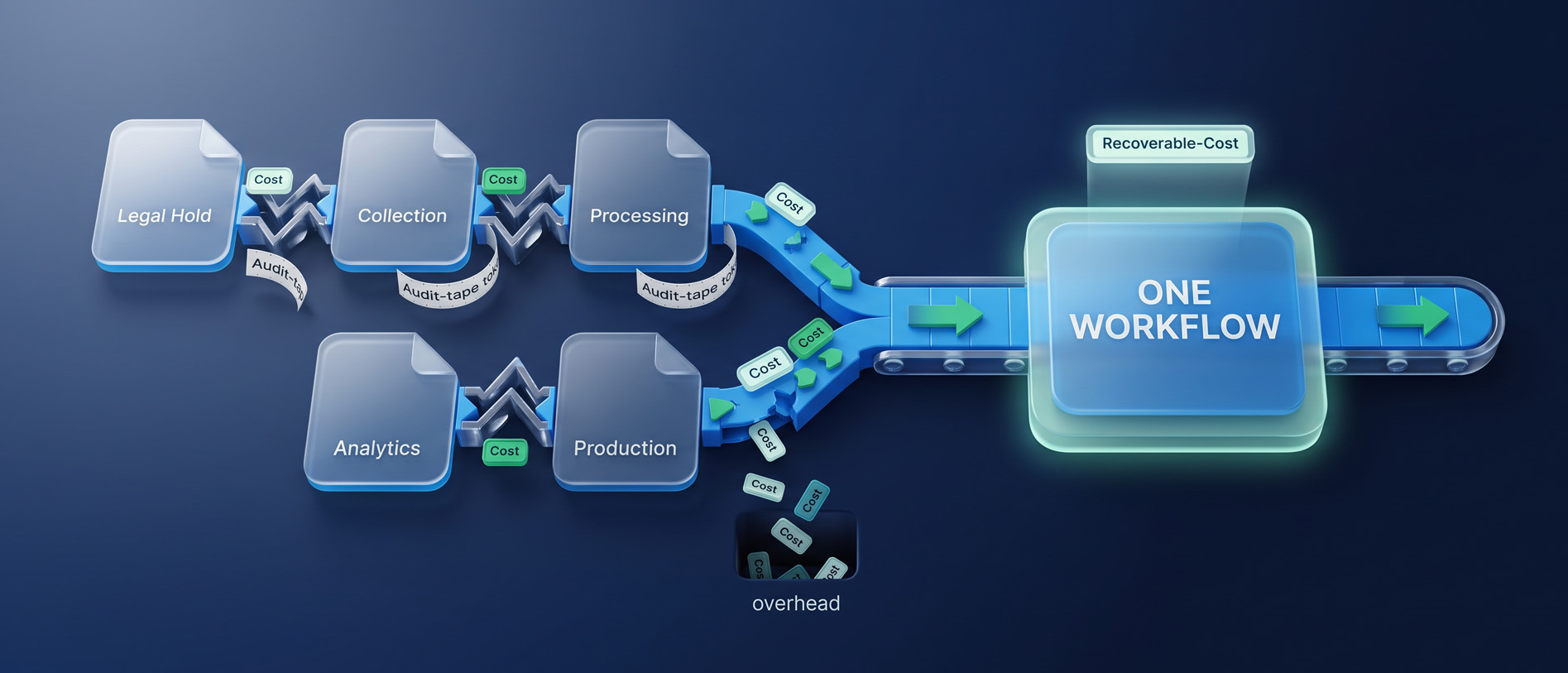
Consolidating Your eDiscovery Stack Without Disrupting Active Matters
How to consolidate eDiscovery tools without disrupting live matters, and why a f
Read Article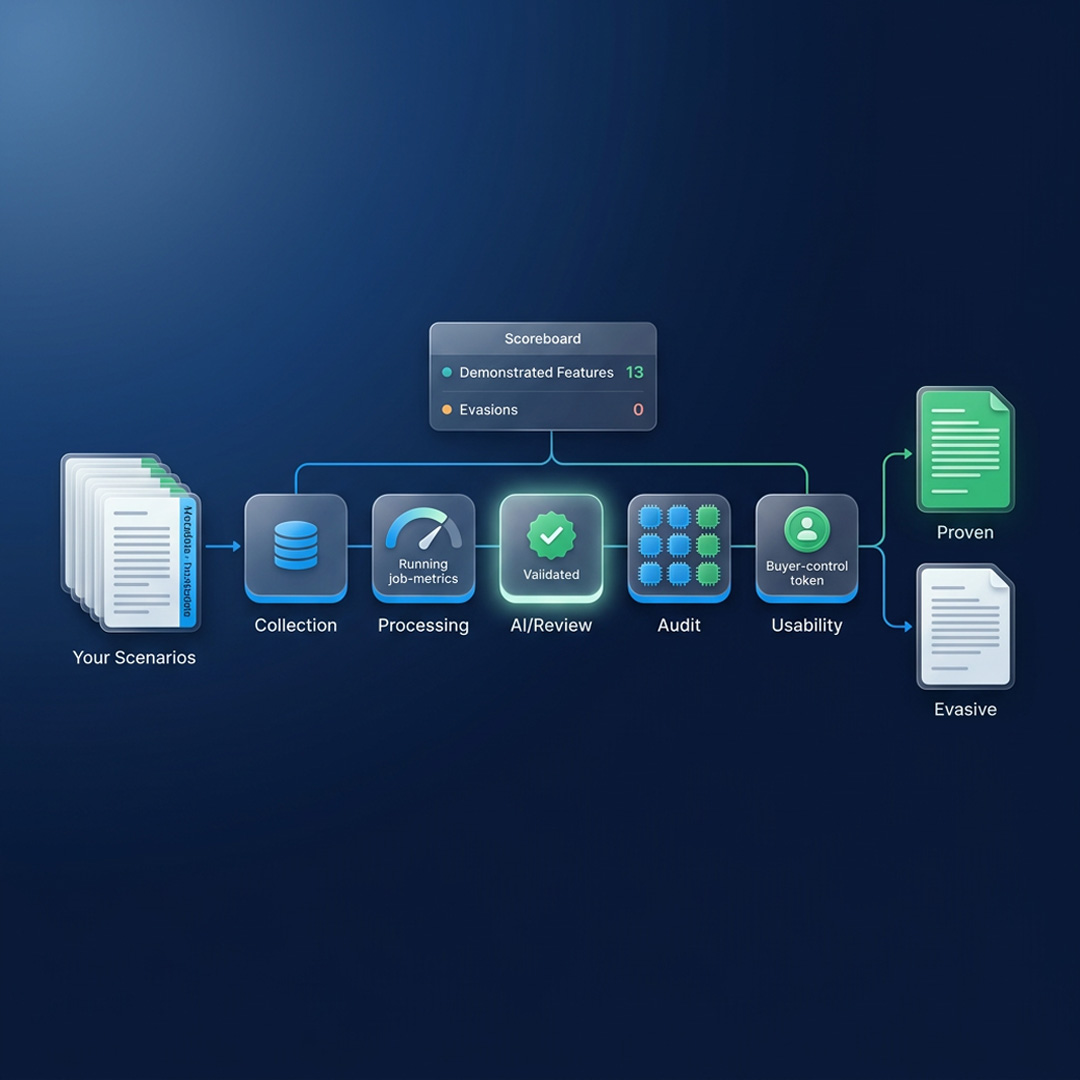
What to Ask in an eDiscovery Demo Before You Sign
Twenty questions that make an eDiscovery vendor prove processing, AI, security a
Read Article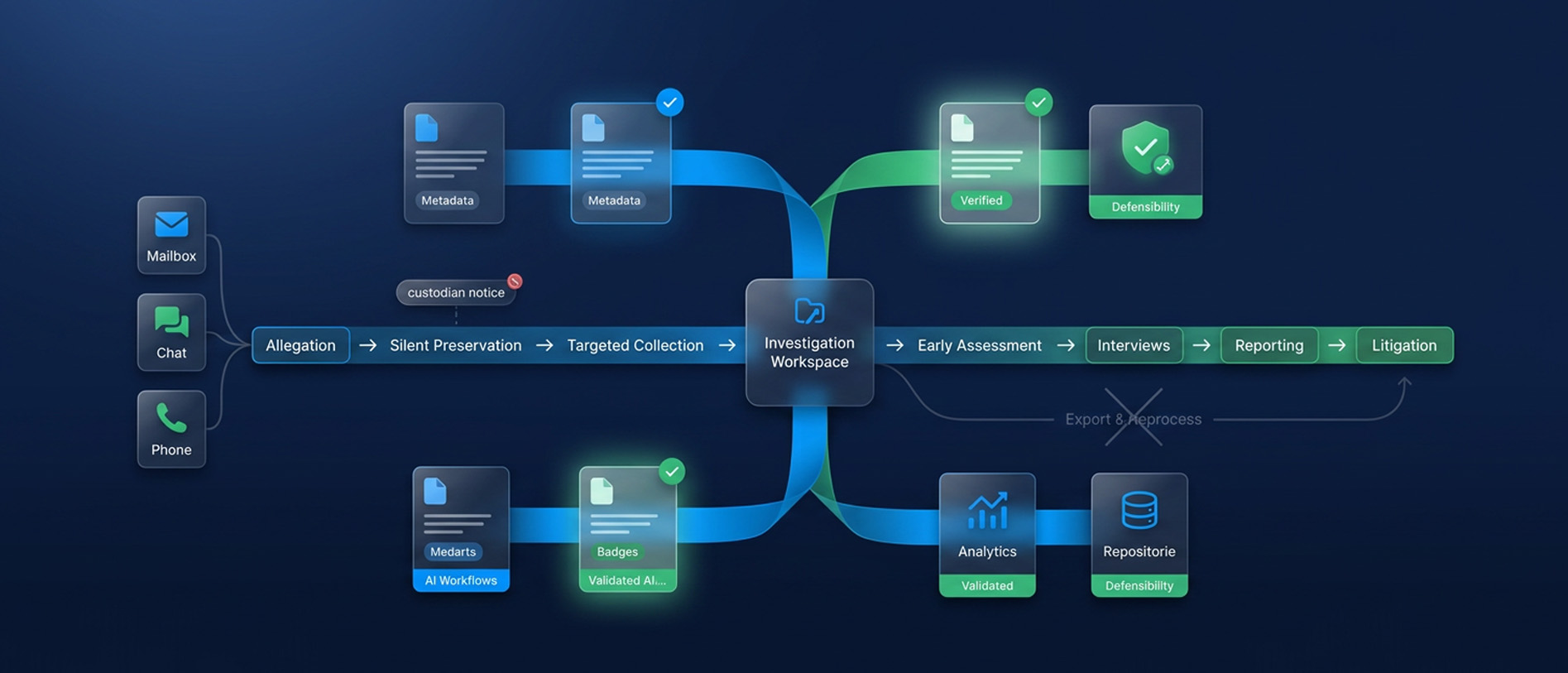
Internal Investigations: Getting the Facts Without Blowing the Matter Open
An internal investigation offers no court schedule and no second chance at prese
Read Article