eDiscovery Pricing Models & Costs in 2026: The Complete Guide

Ready to get started?
built for clarity, control, and scale.
Share
The eDiscovery market is growing fast, and by 2030, it’s expected to reach $31.51 billion globally. But the real question isn’t how big the market will get, it’s how much of that spend will come from unexpected eDiscovery costs, opaque fee structures, and pricing models that make budgeting nearly impossible.
For years, eDiscovery pricing has been confusing by design. Many vendors rely on unpredictable line items, fine-print surcharges, and outdated billing logic that penalizes legal teams as data grows or workflows scale. The result? Teams are stuck trying to forecast spend in an environment where every additional gigabyte, user, or production step increases the cost of eDiscovery.
And while technology, data sources, and review methods have evolved dramatically, most eDiscovery pricing models have not. AI, cloud workflows, and modern collaboration tools should reduce cost and not increase it.
In this guide, we’ll break down how eDiscovery software pricing works today, where hidden fees appear, and how legal teams can create a predictable, transparent cost structure heading into 2026 and beyond.
Why eDiscovery Pricing is Still So Complicated?
The confusion surrounding eDiscovery pricing didn’t happen by accident, it was built into the system. Traditional eDiscovery software pricing came from an era of on-premise servers, per-license software agreements, and vendor-controlled workflows. The business model was simple: charge for everything. Every gigabyte processed, every export, every additional user, every production step all became billable line items.

Even as platforms moved to the cloud, many providers brought that legacy billing structure with them. Instead of modernizing, they applied the same model to new technology, creating what feels like a black-box approach to eDiscovery costs. The advertised price is rarely the real price because the hidden fees live in the fine print.
This model benefits vendors, not customers. The longer matters stay open and the more data you ingest, the higher your eDiscovery cost becomes, meaning your provider profits from inefficiency.
At Venio Systems, we take the opposite approach. An eDiscovery partner should help teams control cost, streamline review, & scale and not punish growth with unpredictable fees.
7 Hidden eDiscovery Costs You’re Paying
Think you’re in control of your eDiscovery spend? For many legal teams, the real cost of eDiscovery isn’t the sticker price, it’s the silent fees buried beneath outdated eDiscovery pricing models. These hidden charges are the reason budgets explode, invoices grow unpredictable, and the true cost of eDiscovery becomes impossible to forecast.

Here are the most common cost traps built into legacy eDiscovery software pricing:
1. Per-GB Ingestion & Processing Fees
Before reviewing a single document, many platforms charge a premium for every gigabyte uploaded, plus additional processing steps like OCR, indexing, and metadata extraction. A 100GB dataset can easily expand to 2–3x post-processing, and you pay for every inflated unit. It’s the first red flag of an outdated ediscovery cost structure.
2. Production & Export Fees
Once your data is processed and hosted, some vendors charge you again to export or produce it essentially making you pay to retrieve your own evidence. These per-GB export fees are among the most expensive and painful components of legacy ediscovery software cost models.
3. Per-User or “Per-Seat” Licensing
Need to add reviewers, outside counsel, experts, or contract attorneys? With per-user billing, that flexibility becomes a penalty. This model actively discourages collaboration and makes scaling impossible without blowing up your budget.
4. Paid Access to AI & Analytics
In 2026, AI is no longer optional, it’s essential for efficient review. Yet many vendors still treat AI, CAL, clustering, or social graph analysis as a paid add-on. Instead of reducing review hours and cost, legacy providers make advanced tools a premium line item in your eDiscovery pricing.
5. Mandatory Project Management Fees
Some platforms bundle required “support hours” into contracts or bills for basic guidance that modern software should make unnecessary. If project management is the only way your team can operate the platform, your software isn’t intuitive and you’re paying for it.
6. Training & Onboarding Charges
If you must pay extra just to learn the system, that’s a sign of outdated UX and poorly designed workflows. Modern ediscovery software pricing should include accessible training, onboarding, and ongoing support without surprise charges.
7. Separate Early Case Assessment (ECA) Fees
Some vendors bill ECA as a separate workflow, meaning you pay to preview your data before paying again to move it into review. This double-billing approach is another common driver behind rising and unpredictable ediscovery costs.
The 4 Most Common eDiscovery Pricing Models (and Why Most Fail)
To take control of eDiscovery pricing, you first need to understand how today’s leading platforms structure their fees. Nearly every provider uses one of these four models:
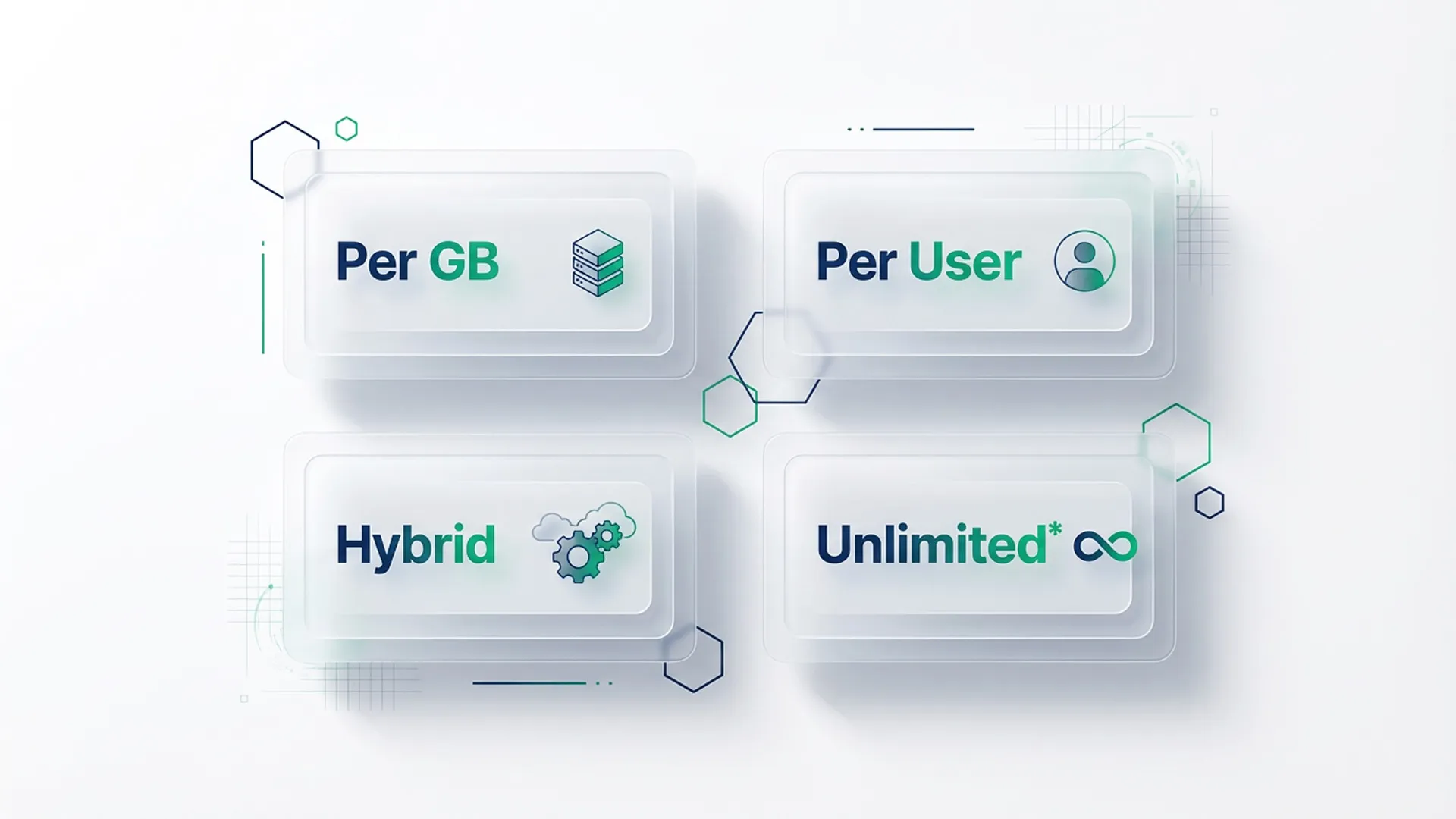
Model 1: The Classic Per-Gigabyte Pricing Model
What it is: You pay a recurring fee based on the amount of data stored, typically charged monthly or annually. This model almost always stacks with per-GB processing fees, production fees, and overage charges.
The Pitfall: This model delivers the opposite of what legal teams want: predictability. Data volume fluctuates throughout a case, making true cost forecasting impossible. Worse, this model actively disincentivizes efficiency because the longer and larger your hosting footprint grows, the more your vendor profits.
Model 2: The Per-User Pricing Model
What it is: You pay a license fee for each user on the platform, whether they review 10 documents or 10,000.
The Pitfall: This pricing model kills collaboration. Adding contract reviewers, co-counsel, or compliance teams becomes a budgeting discussion, not a workflow decision. The result is an expensive, rigid model where costs scale based on headcount instead of value.
Model 3: The Hybrid Model
What it is: A mix of per-GB pricing, per-user licenses, and feature-based add-ons like analytics, AI review, or additional storage.
The Pitfall: This is the worst-case scenario for budgeting. A hybrid model makes eDiscovery software pricing feel like ordering from a restaurant with no prices. Legal operations teams are left guessing and invoices become a constant surprise.
Model 4: The “Unlimited / All-You-Can-Eat” Model (With a Catch)
What it is: A flat fee meant to look simple and all-inclusive. Often promoted as predictable pricing for litigation teams.
The Pitfall: The promise rarely matches reality. Hidden data caps, user limits, restricted storage tiers, and premium add-on charges mean the predictability disappears quickly. The term “unlimited” becomes subjective and expensive.
The 2026 Forecast: 3 Trends That Will Shatter Old Pricing Models
The “old way” of pricing is on a collision course with reality. As we head into 2026, three major trends in ediscovery are making these legacy models strategically obsolete.
Trend 1: The AI Mandate
AI-powered review (like CAL) and advanced analytics are no longer “premium” add-ons. They are the standard. The sheer volume of data makes manual review impossible. By 2026, any platform that charges extra for AI will be seen as a dinosaur. The future is an all-in-one platform where AI is fully integrated at no extra ediscovery cost.
Trend 2: The Data Deluge from Collaboration Apps
Your data is no longer just emails and documents. It’s terabytes of Microsoft Teams conversations, Slack channels, mobile device data, and files from myriad cloud apps. These data types are complex, dynamic, and voluminous. eDiscovery Pricing models that “tax” you per gigabyte make it financially impossible to review this data comprehensively.
Trend 3: The Demand for Self-Service & Control
The “managed services” model, where you are 100% reliant on a vendor’s project manager, is dying. Corporations and law firms are bringing eDiscovery in-house or demanding self-service control. They want powerful, intuitive ediscovery platforms (like Venio) that allow them to manage their own projects, timelines, and data without being penalized for every click.
What’s the Better Approach to an Ideal eDiscovery Software Pricing
The future of eDiscovery pricing is simple: predictability and transparency. We must move from a model of paying for uncertainty to one of investing in an efficient solution. A truly transparent and predictable model re-aligns the relationship between you and your provider.

What should a modern eDiscovery pricing model prioritize?
- Fixed or Tiered Hosting: Clearly defined costs based on data volume tiers or a fixed fee, removing the month-to-month guessing game.
- Integrated Services: Bundling processing and production into the platform fee, rather than charging punitive fees for getting your own data in or out.
- Scalable User Access: Flexible access models that support collaboration and large-scale reviews without being penalized by rigid per-seat licensing.
- Inclusive AI and Analytics: eDiscovery pricing that ensures essential tools like CAL and ECA are available from the start, promoting efficiency over cost avoidance.
As we move into 2026, outdated and unpredictable eDiscovery pricing models are rapidly losing relevance. With the AI mandate making advanced analytics and Continuous Active Learning essential and not premium add-ons legal teams expect full access without extra fees. At the same time, the surge of complex data from Slack, Teams, mobile devices, and cloud collaboration tools is exposing how unsustainable per-GB pricing has become.
Moreover, as legal departments shift toward self-service eDiscovery platforms to gain control, speed, and cost predictability, vendor-dependent models with hidden fees, user limits, and usage penalties are becoming obsolete. The future of eDiscovery is transparent, scalable, and built around value, not billing complexity.
How Venio Systems Delivers Predictable eDiscovery Costs for 2026
This future isn’t just a forecast; it’s what we’ve built at Venio Systems.
We designed our all-in-one eDiscovery platform, VenioOne, around a philosophy of radical transparency and cost control. We believe you should pay for the solution’s power and efficiency, not for unpredictable volume penalties.

Our predictable eDiscovery pricing models are structured to empower you:
- Control Over Unexpected Fees: Our flexible model is engineered to minimize the hidden processing and production fees that inflate budgets on legacy platforms.
- Scalable Collaboration: We offer flexible licensing options that enable you to scale user access easily, supporting large review teams or sudden project needs without being locked into rigid, punitive per-seat licenses.
- All-Inclusive Platform Features: From powerful early case assessment and data visualization to the industry’s most advanced CAL and review workflows, the Venio platform ensures that essential tools are integrated and available for maximizing efficiency and not reserved behind costly “premium” walls.
- Unmatched Speed & Performance: Venio’s superior processing speed translates directly into faster project timelines, which is the ultimate ediscovery cost control measure.
- Flexible Deployment: On-premise, in your private cloud (Azure, AWS), or as a hybrid solution, we provide pricing options that fit your infrastructure and budget requirements.
5 Questions to Ask Before Choosing Your eDiscovery Vendor
Don’t go into your next vendor negotiation blind. Ask your current or prospective eDiscovery provider these 5 questions to instantly expose the flaws in their pricing:
- “Can you give me the total, all-in cost range for a 1TB case, from ingestion to a 100GB production, with 15 reviewers, without any hidden ‘feature usage’ or ‘export’ fees?”
- “What are the specific line-item fees for processing, production, and using your essential AI/analytics features?”
- “What happens to my bill if my case data unexpectedly grows by 30%?”
- “What happens to my bill if I need to add 20 temporary users for a 2-week privilege review?”
- “Can my team run our own processing and productions in a self-service way without incurring ‘click fees’ or needing to pay for mandatory project management?”

Ready to Break Up with Bad eDiscovery Pricing?
The old, predatory eDiscovery pricing models are broken. They are designed to keep you in the dark, exploit your data growth, and penalize you for collaboration and efficiency.
By 2026, you can’t afford to be guessing. You need a partner, not a toll booth. You need a platform that gives you the tools to control your budget, maximize efficiency, and gain unparalleled insight, all for a predictable, transparent price.
The future of eDiscovery is transparent, all-in-one, and predictable. And it’s already here with Venio Systems.
Don’t wait until 2026 to fix your eDiscovery budget. See how Venio’s flexible, budget-controlling pricing model and all-in-one platform can deliver the certainty and performance you need.
Schedule a personalized demo with Venio today and see the last eDiscovery platform you’ll ever need.
Related Articles
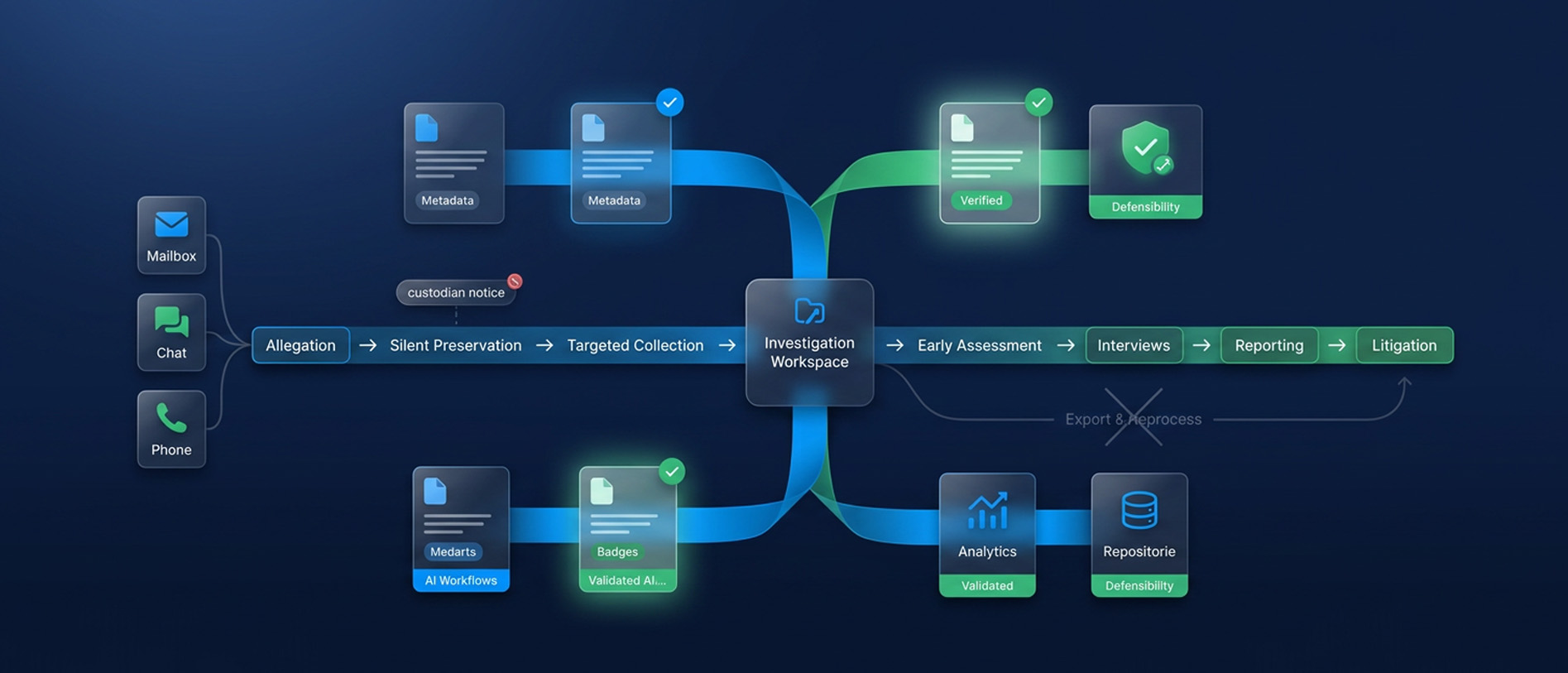
Internal Investigations: Getting the Facts Without Blowing the Matter Open
An internal investigation offers no court schedule and no second chance at prese
Read Article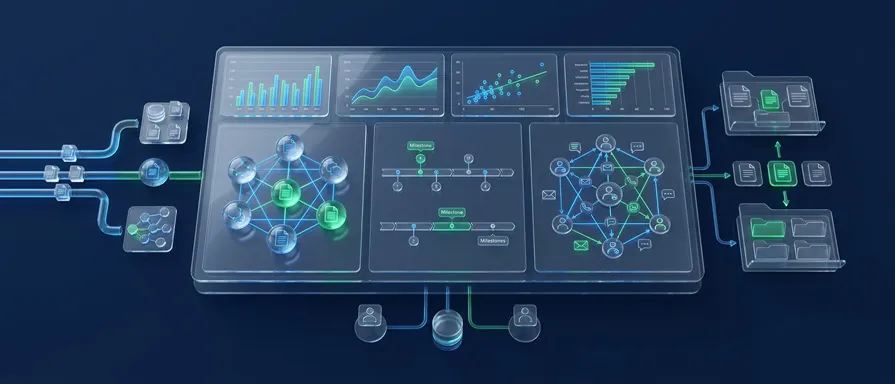
eDiscovery Data Analytics & Visualization for Trial Preparation
Most litigation teams don’t lose at trial because they lack evidence. They lose
Read Article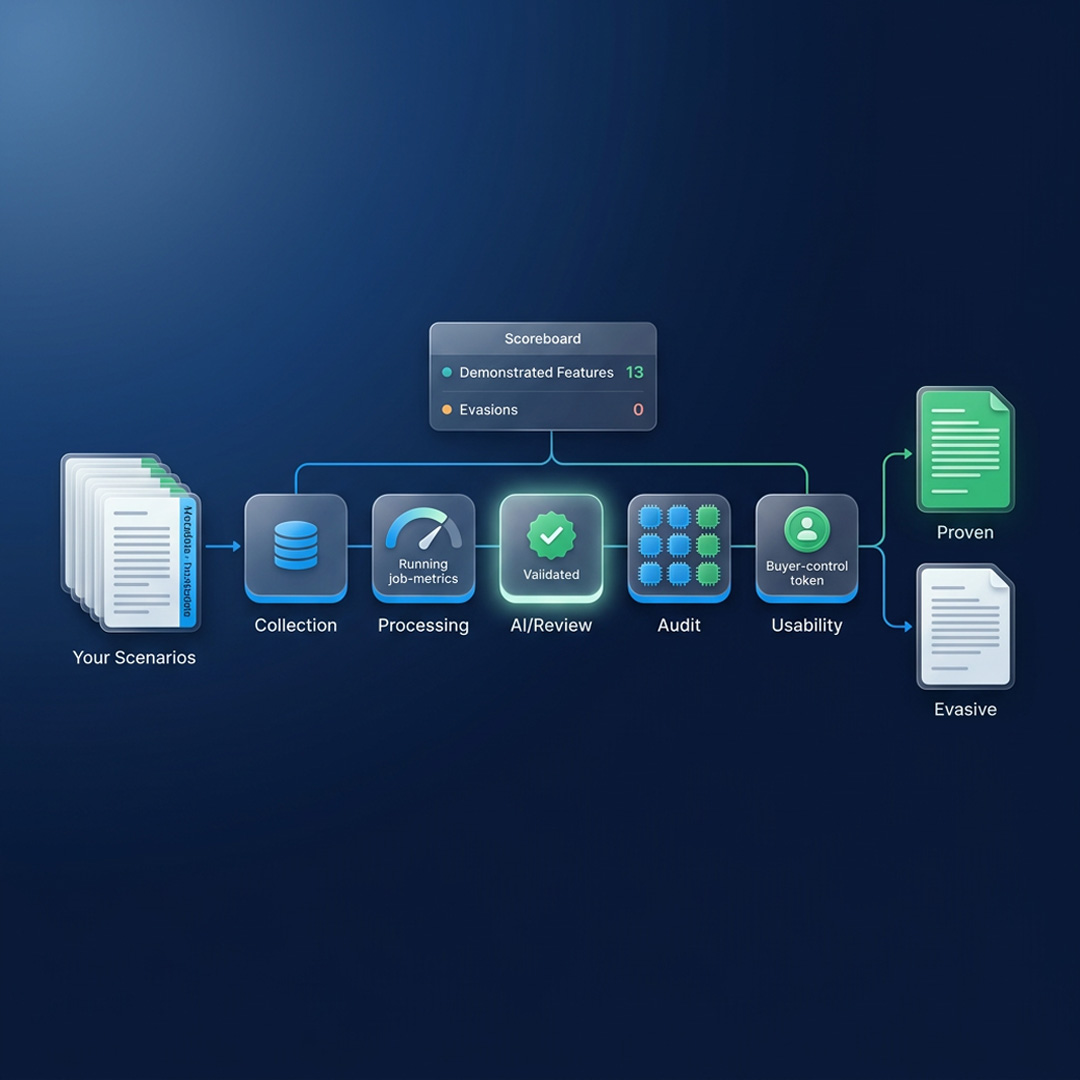
What to Ask in an eDiscovery Demo Before You Sign
Twenty questions that make an eDiscovery vendor prove processing, AI, security a
Read Article