What Is Scope Creep in eDiscovery? How to Manage It Effectively

Ready to get started?
built for clarity, control, and scale.
Share
It always starts the same way: a clear plan, defined custodians, predictable timelines, and a manageable review scope. Then – one request. One new data source. One “quick” custodian add
And suddenly, the project isn’t the one you scoped… it’s the one you’re trying to chase. This is scope creep, and in eDiscovery, it doesn’t creep quietly. It explodes.
Unlike traditional scope creep in project management, even minor changes in eDiscovery trigger major downstream effects: higher hosting fees, longer review cycles, expanding data collections, and skyrocketing costs. With modern formats like Slack, Teams, mobile data, and cloud archives, a small shift can become a massive workflow disruption.
The right planning, process governance, and eDiscovery software can help, but before we talk about how to manage scope creep effectively, we need to get a clear picture of what is scope creep in eDiscovery.
What is Scope Creep in eDiscovery?
Scope creep in eDiscovery happens when a project expands beyond its original plan, whether through added custodians, new data sources, expanded review criteria, or shifting legal requirements. What begins as a defined workflow becomes unpredictable and harder to control.
Similar to scope creep in project management, the issue isn’t just change, it’s unplanned change. In eDiscovery, even small adjustments can increase processing time, review volume, and hosting requirements, making the original cost and timeline estimates obsolete.
Because modern data is dynamic, messy, and distributed across platforms like Slack, Microsoft Teams, mobile devices, cloud drives, and emerging sources, scope creep can multiply quickly if the project lacks guardrails.
This is why many teams ask not just what is scope creep, but how to manage scope creep before it jeopardizes deadlines, compliance, and budget.
Modern eDiscovery software plays a key role here, providing workflow controls, visibility, automation, and proactive guardrails to prevent uncontrolled expansion before it becomes costly.
Why Scope Creep is More Common in eDiscovery Today
Scope creep isn’t new, but the pace and scale of it in eDiscovery have changed dramatically. Modern legal matters now involve massive, fast-growing data volumes, making scope creep almost inevitable without strong controls.
One key driver is the explosion of communication platforms. What used to be mostly email now includes Slack, Microsoft Teams, SMS, WhatsApp, collaboration tools, and cloud repositories. As soon as these sources are added mid-project, cost, review volume, and timelines expand – a classic example of scope creep in project management applied to eDiscovery.

Regulatory and compliance pressures also shift project requirements in real time. A new allegation, request, or legal obligation can instantly widen custodians, keywords, or review parameters, forcing teams to react rather than plan.
Finally, many organizations still lack proactive workflows or automation in their eDiscovery software, making it harder to maintain scope boundaries as data grows. Without visibility, forecasting, and approval checkpoints, small changes snowball into large operational impacts.
All of this makes managing scope creep more critical than ever because in eDiscovery, uncontrolled expansion doesn’t just affect workload; it directly affects cost, defensibility, and outcomes.
The Real Cost of Scope Creep
Understanding what scope creep is in eDiscovery isn’t just a definition exercise, it’s about recognizing how quickly small workflow changes can become major operational and financial challenges. Here’s how scope creep impacts real-world cases:
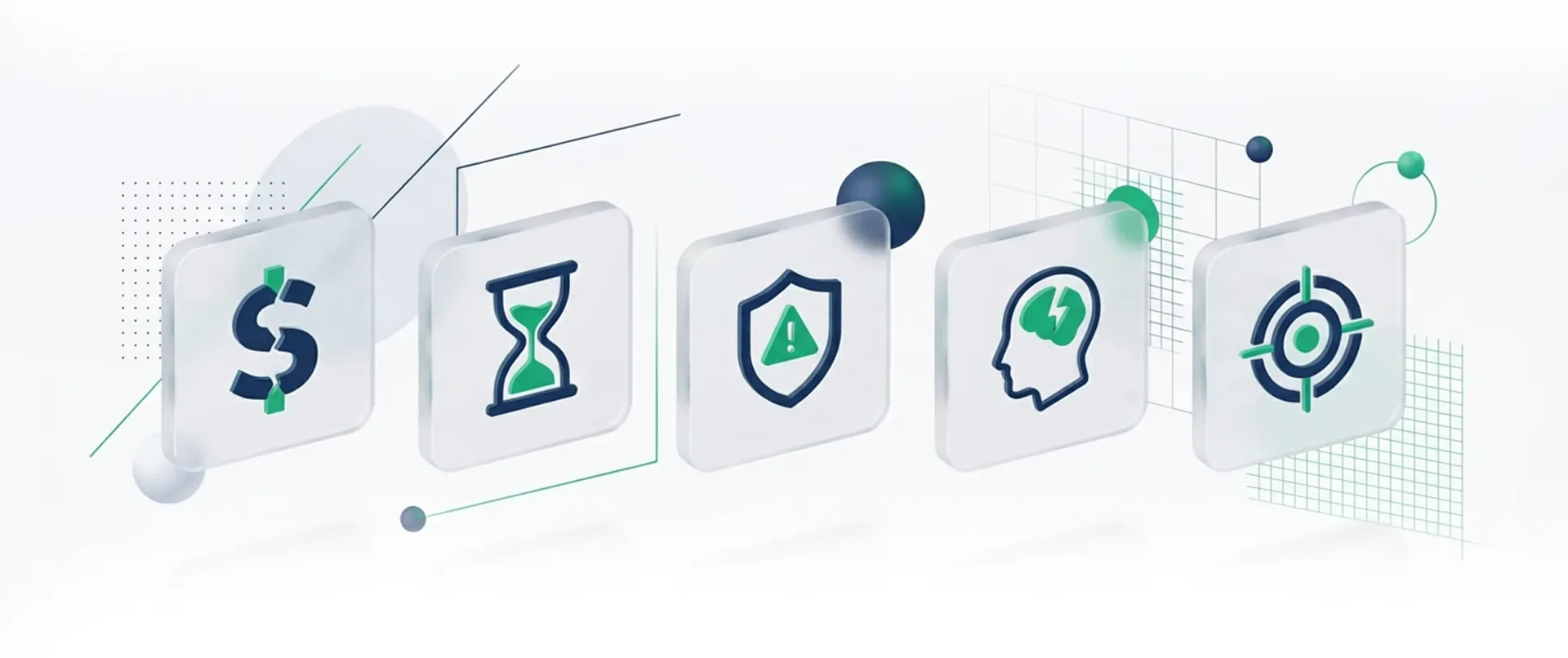
Budget Inflation
Added custodians, expanded search terms, or new data sources instantly increase ingestion, processing, review hours, and hosting. Without proper controls or modern eDiscovery software, costs become unpredictable and difficult to justify.
Missed Timelines & Delays
Expanded data sets and additional review cycles slow execution. Unlike general scope creep in project management, delays in eDiscovery can disrupt legal strategy, regulatory deadlines, or trial preparation.
Increased Legal and Compliance Risk
Rapid changes introduce inconsistencies: missing metadata, mis-tagged documents, or incomplete audit trails. These risks impact defensibility and can expose teams to sanctions or incomplete productions.
Operational Overload
Teams are forced to do more work than originally planned and more data mapping, review oversight, and validation cycles, leading to bottlenecks and burnout.
Loss of Strategic Focus
Without guardrails or a plan for how to manage scope creep, matters shift from controlled execution to reactive problem-solving, making decision-making harder and workflows fragmented.
How to Manage Scope Creep in eDiscovery?
Scope creep doesn’t happen all at once, it builds quietly through small, seemingly harmless changes. But in eDiscovery, even minor adjustments can multiply costs, expand review timelines, and increase risk. The key isn’t avoiding change altogether, it’s knowing how to manage scope creep with control, transparency, and the right eDiscovery software.
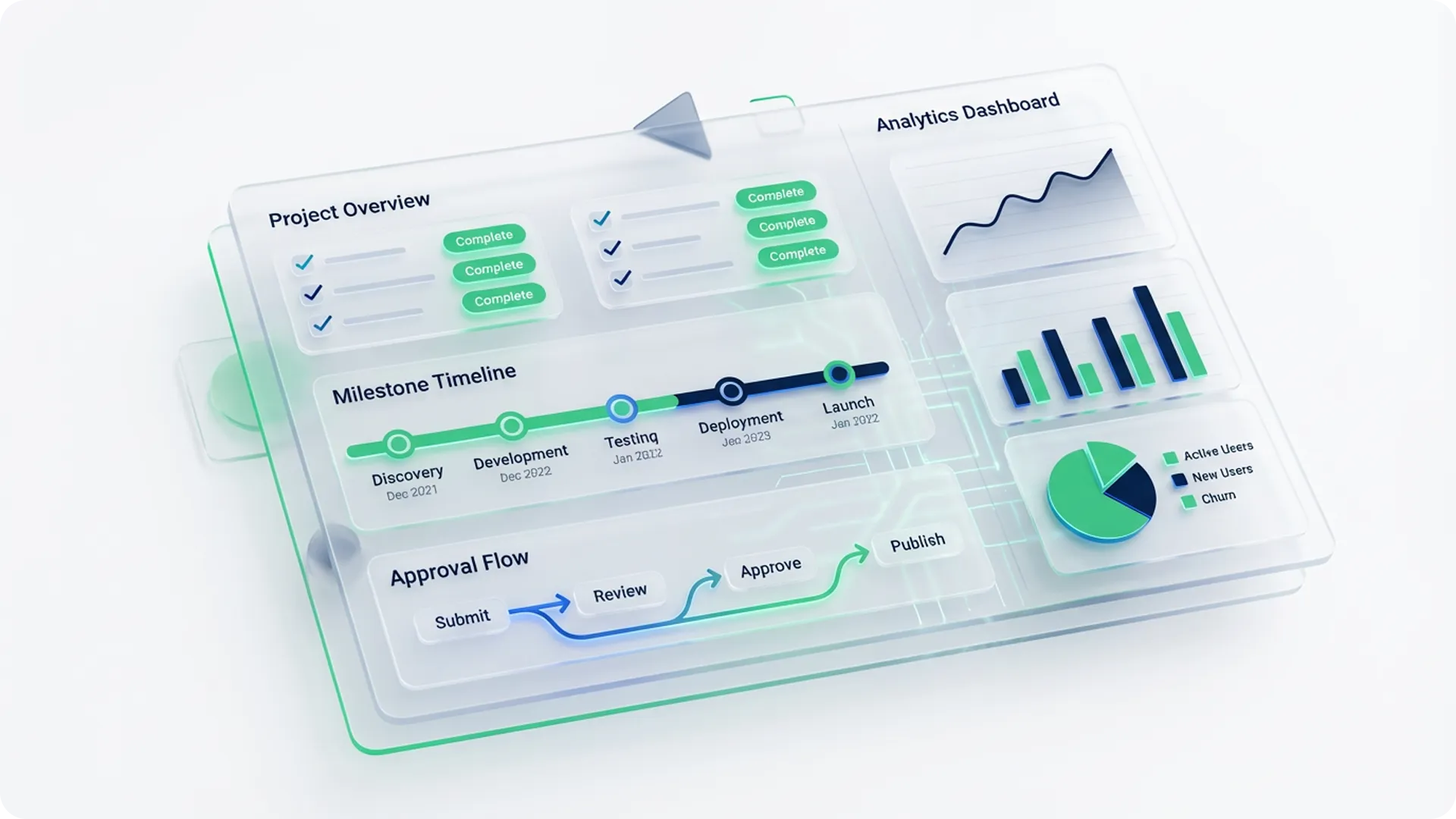
1. Define Scope Clearly from the Start
A strong beginning minimizes surprises later. Document custodians, data sources, date ranges, review expectations, SLAs, and projected volumes. The clearer the baseline, the easier it is to identify when scope creep begins. This foundation also helps teams set realistic budgets and timelines before collection starts.
2. Implement a Formal Change-Control Process
Not all adjustments are avoidable, but they should never be invisible. Any request that adds custodians, expands searches, extends timelines, or modifies workflows should trigger approval steps. Mapping the cost and time impact before accepting changes stops informal decisions from derailing the project.
3. Use Modern eDiscovery Software for Transparency
Powerful reporting, forecasting tools, and real-time dashboards help teams track data growth, review speed, and cost impact instantly. When the technology provides visibility, it becomes far easier to spot trends, justify decisions, and prevent silent project expansion. Smart platforms give teams control rather than reacting to overwhelm.
4. Communicate Early, Clearly, and Frequently
Stakeholders should never be surprised by new data volume, increased reviewer hours, or delayed timelines. Regular check-ins ensure alignment and prevent misinterpretation, which is one of the most common drivers of scope creep. Clear communication also sets expectations around cost accountability when scope changes are requested.
5. Monitor Data Volume and Workload Continuously
Tracking processed volume, batching velocity, review progress, and unresolved tasks creates an early-warning system for scope expansion. If certain data types (like Slack or mobile collections) become heavier than expected, you can adapt before it becomes unmanageable.
6. Document All Decisions and Assumptions
A documented record prevents misunderstanding and supports defensible processes. Clear tracking ensures that if someone asks, “Wasn’t this included?”, you have proof of boundaries, decisions, and cost implications, eliminating ambiguity.
7. Plan for Controlled Flexibility
Successful eDiscovery isn’t rigid, it’s structured with room to adjust. Instead of preventing change entirely, the goal is to ensure changes are intentional, approved, tracked, and aligned with project priorities. This approach allows teams to evolve while protecting the project from uncontrolled drift.
Why Venio Is the Best eDiscovery Software to Control and Prevent Scope Creep
Scope creep may feel inevitable, but with the right platform, it becomes manageable and predictable. Venio is built to prevent the unpredictable expansion of timelines, review volumes, and data complexity that often drive scope creep in eDiscovery and scope creep in project management workflows.
Instead of reactive scrambling, Venio helps teams stay proactive with automation, auditing, and real-time insights. If you’re evaluating how to manage scope creep without delaying projects or inflating budgets, Venio delivers the framework, visibility, and control needed to stay on track.
Here’s how Venio helps reduce and prevent scope creep:
- Real-Time Visibility into Data Volumes and Custodians: Track changes instantly, no surprises halfway through the review process.
- Configurable Workflows and Approval Controls: Any scope adjustment triggers a documented approval trail to prevent unauthorized expansion.
- Automated Processing and Review to Reduce Manual Overhead: Reduce the time, labor, and cost impact of expanding datasets with built-in automation.
- Built-In Tracking for Changes, Requests, and Additions: Every new request is visible, measurable, and tied to time and cost, not hidden in email threads.
- Transparent Reporting for Stakeholder Alignment: Keep legal, compliance, IT, and leadership on the same page with metrics tied to scope boundaries.
Ready to Stop Scope Creep Before It Starts?
Scope creep may be unavoidable in modern eDiscovery, but how you respond to it determines whether a project stays controlled or spirals into cost overruns, delays, and risk exposure. With the right process and technology in place, teams can stay proactive instead of reactive – ensuring timelines, budgets, and expectations stay aligned.
Venio gives legal teams, firms, and enterprises the power to manage scope creep confidently with automation, visibility, and true end-to-end control. If you’re ready to streamline workflows, reduce uncertainty, and bring predictability back into eDiscovery, now is the time to take the next step.
Contact us today and see how Venio transforms real-world workloads into manageable, predictable outcomes.
Related Articles
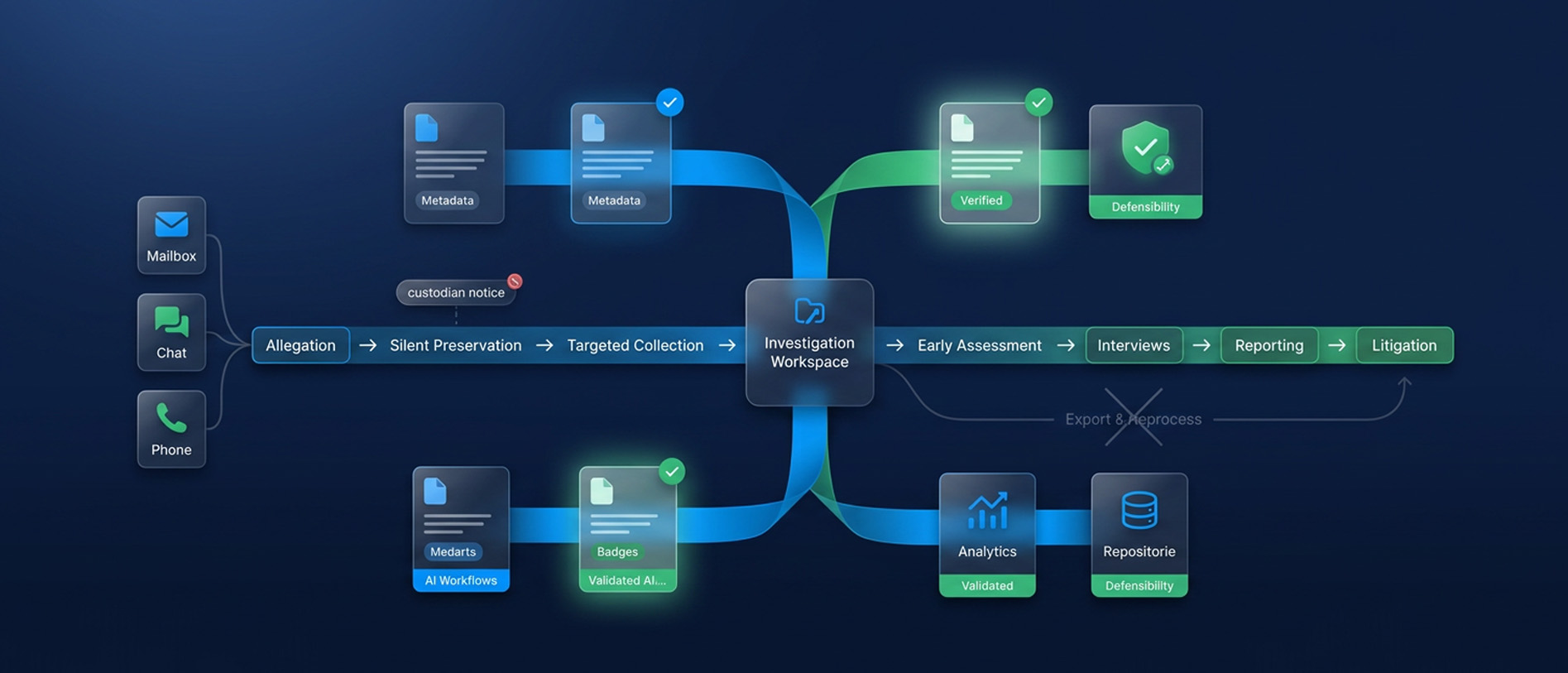
Internal Investigations: Getting the Facts Without Blowing the Matter Open
An internal investigation offers no court schedule and no second chance at prese
Read Article
eDiscovery Data Analytics & Visualization for Trial Preparation
Most litigation teams don’t lose at trial because they lack evidence. They lose
Read Article
What to Ask in an eDiscovery Demo Before You Sign
Twenty questions that make an eDiscovery vendor prove processing, AI, security a
Read Article