What is ESI? The Ultimate Guide to ESI in Modern eDiscovery

Share
Electronically Stored Information (ESI) isn’t just data; it’s the digital battlefield of modern litigation. Defined by the Federal Rules of Civil Procedure (FRCP) in 2006, ESI is any data created, stored, or managed electronically.
Mastering ESI is the difference between defensible compliance and devastating sanctions. This guide is your blueprint for managing ESI successfully, powered by Venio Systems’ expertise and technology.
The Critical Challenge: Where ESI Hides Today
The complexity of ESI stems from its volume and fragmentation. It exists across every device and platform, demanding comprehensive solutions.
Traditional ESI vs. Modern ESI Data Sources

ESI and The Legal Imperative: Compliance and Risk Mitigation
The duty to preserve ESI is triggered the moment litigation is reasonably anticipated. Failure to preserve, or spoliation, is the single largest legal risk in eDiscovery.
A. Defensible Preservation with Legal Hold
A proactive, defensible Legal Hold is the foundation of ESI preservation. It must be immediate, precise, and traceable.

B. Proportionality and Early Case Assessment (ECA)
Due to overwhelming data volumes, FRCP Rule 26 demands proportionality – limiting discovery scope based on the case’s needs. This is where Early Case Assessment (ECA) becomes vital.
Venio ECA Advantage: Use Venio ECA to rapidly analyze, filter, and cull ESI before it enters the costly review phase. By applying date filters, keywords, and AI analytics in the ECA stage, you significantly reduce the dataset volume, ensuring proportionality is met and saving millions in downstream review costs.
ESI in the EDRM Cycle: A Unified Approach
ESI is the data that flows through the Electronic Discovery Reference Model (EDRM). Achieving efficiency across the EDRM requires a unified platform, not a patchwork of tools.

Mastering Technical ESI Challenges with Confidence
The volatility and complexity of ESI – especially its metadata – demand specialized digital forensic capabilities integrated into your workflow.
Metadata Integrity and Admissibility
Metadata is the verifiable fingerprint of ESI (who created it, when, and how). If metadata is altered during collection, the ESI is inadmissible.
Venio’s Forensic Standard: Venio Systems operates on a forensic standard, embedding metadata preservation and chain-of-custody tracking directly into the platform. This provides the confidence that every piece of ESI processed, reviewed, and produced is legally sound.
Handling Unstructured and Volatile ESI
Modern ESI like transient chat messages and active system data is the most volatile. A dedicated platform is required to capture its context.
- Solution: Venio’s advanced text analytics and concept clustering help legal teams quickly make sense of large volumes of unstructured data, turning raw ESI into strategic evidence.
Conclusion: ESI Mastery with a Unified Platform
Mastering Electronically Stored Information requires more than expertise; it requires a powerful, unified technology platform designed for the modern data environment.
Venio Systems provides a single, end-to-end solution that addresses the entire ESI lifecycle, ensuring defensibility, efficiency, and cost control across every stage of the EDRM.
Stop reacting to data chaos. Start commanding your ESI strategy.
Ready to streamline your ESI management and cut your eDiscovery costs by leveraging AI and a unified platform?

FAQs About ESI and the eDiscovery Process
This section answers the most common and complex questions surrounding Electronically Stored Information (ESI) and its management in the eDiscovery process.
Q1: What makes ESI different from traditional paper documents in a legal context?
A: The primary difference lies in three properties:
- Volume and Dispersal: ESI exists in massive, highly fragmented volumes across diverse sources (email, cloud, mobile).
- Volatility: ESI can be easily altered or destroyed, requiring forensic-grade collection techniques.
- Metadata: ESI has crucial metadata (data about the data—creation date, author, modification history) that does not exist with paper, but is required to prove authenticity and admissibility in court.
Q2: What is “Volatile ESI,” and why is it a challenge for forensic collection?
A: Volatile ESI refers to data that is fleeting or temporary, residing in a computer’s active memory (RAM), network connections, or temporary caches. It is a challenge because it can be lost the moment a device is powered down or the system is disrupted. Our forensic collection processes prioritize the capture of volatile ESI first to ensure this critical, time-sensitive data is preserved before non-volatile files are collected.
Q3: Is metadata considered ESI?
A: Yes, metadata is absolutely considered ESI under the Federal Rules of Civil Procedure (FRCP). When a file is collected, the relevant metadata (such as the document’s hash value, creation date, and last access date) must be collected along with the native file to prove its integrity. Venio Systems’ processing ensures metadata is preserved and utilized throughout the EDRM cycle.
Q4: How does ESI complicate the duty to comply with data privacy regulations like GDPR or CCPA?
A: The duty to produce relevant ESI for litigation often conflicts with the duty to protect Personally Identifiable Information (PII) under privacy laws. ESI frequently contains protected PII of non-custodians. This is resolved during the Review stage by using specialized tools to redact or filter PII from responsive documents before production, ensuring compliance with both legal discovery requirements and global privacy mandates.
Q5: How does Venio Systems address the challenge of ESI that comes from modern collaboration platforms like Slack or Teams?
A: ESI from collaboration tools is complex because it is unstructured and context-dependent. Venio Systems addresses this with specialized connectors that defensibly acquire this data, normalize it into a reviewable format, and preserve key conversational metadata (like threading and reactions). This ensures that messages collected from modern sources are both complete and admissible.
Related Articles

Top Six eDiscovery Market Trends in 2026
By 2029, the eDiscovery market will surge past $25 billion, a staggering leap fr
Read Article
How to Choose the Right eDiscovery Software for Your Legal Team
If you’ve ever felt overwhelmed by the sheer amount of digital evidence in a cas
Read Article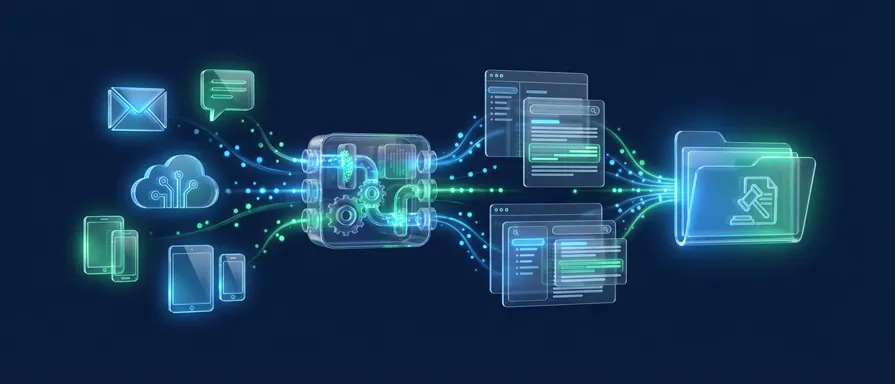
What is eDiscovery Software?
In a world where business communication is overwhelmingly digital, these trails
Read Article