Understanding FRCP 37(e) and Spoliation Sanctions
%20and%20Spoliation%20Sanctions.jpg)
Ready to get started?
built for clarity, control, and scale.
Share
Corporate legal teams manage discovery obligations across email, chat platforms, and cloud storage every single day. One missed retention setting or one overlooked custodian can turn routine data management into a courtroom liability.
Federal courts rarely sanction a company for simply losing data. They sanction companies that cannot explain why the loss happened and whether it was reasonable under the circumstances.
That distinction sits at the center of Rule 37(e), the rule that governs spoliation of evidence under the Federal Rules of Civil Procedure. Most articles on this topic stop at reciting the rule text. Few explain what actually decides these cases in practice, whether a court finds intent to deprive.
This piece breaks down the real factors judges apply when weighing intent under Rule 37(e), drawn from patterns in actual post-2015 rulings. It also shows legal and eDiscovery teams how to build a preservation record that holds up once a spoliation motion reaches a judge.
What Rule 37(e) Covers and Why It Matters Now
Rule 37(e) addresses what happens when electronically stored information that should have been preserved is lost. It applies only when a party failed to take reasonable steps to preserve that information. The rule was rewritten in 2015 to replace inconsistent standards that had developed across federal circuits.
For a full breakdown of the rule's text and its history, see Venio's FRCP Rule 37 reference guide. This piece focuses instead on what happens after the rule is invoked, when a court must decide how severely to respond.
Rule 37(e) splits into two tracks. The first authorizes curative measures once a court finds prejudice from the lost information. The second authorizes far more severe sanctions, but only once a court finds intent to deprive. That second track is where nearly every serious spoliation dispute now plays out.
%20-%20Why%20It%20Matters.jpg)
The Real Difference Between Curative Measures and Severe Sanctions
FRCP 37(e)(1) lets a court order measures no greater than necessary to cure prejudice. These measures can include allowing testimony about the missing evidence or limiting certain claims. A finding of prejudice must come first.
FRCP 37(e)(2) works differently. It authorizes an adverse inference sanction, a mandatory jury instruction, or even dismissal of the case. None of these require proof of prejudice once intent to deprive is established.
This is a real shift from pre-2015 practice, when some circuits allowed severe sanctions based on negligence alone. Courts now require a specific finding that a party acted to deprive its opponent of evidence. That single requirement has reshaped how spoliation of evidence disputes actually get litigated today.
The Six Factors Courts Use to Determine Intent to Deprive
Determining intent is rarely straightforward. Courts cannot examine a party's state of mind directly, so they rely on circumstantial evidence built from the facts of each case. A review of post-amendment rulings shows six factors that recur most often.
Determining intent is rarely straightforward. Courts cannot examine a party's state of mind directly, so they rely on circumstantial evidence built from the facts of each case. A review of post-amendment rulings, along with American Bar Association analysis, shows six factors that recur most often.
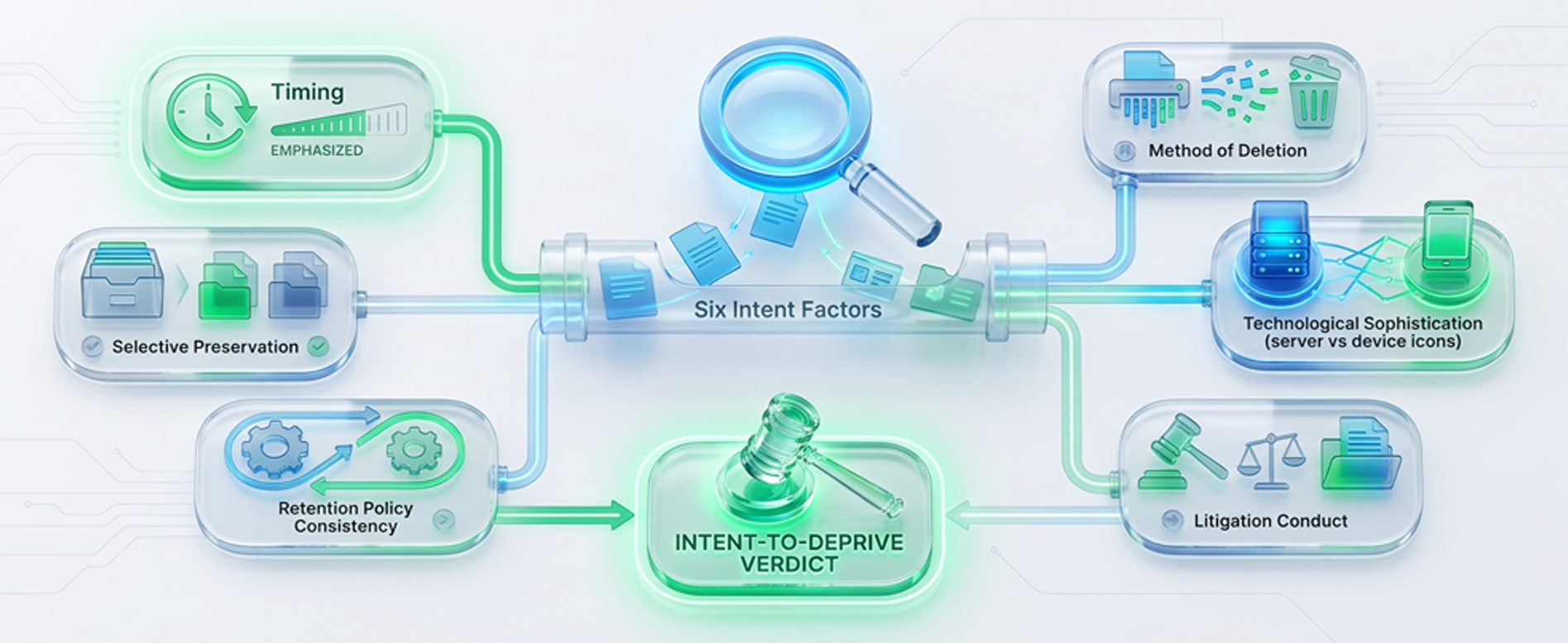
1. Timing of the Destruction
Courts pay close attention to when data was deleted relative to a legal trigger. Deletion shortly after a demand letter, subpoena, or lawsuit filing draws far more scrutiny than deletion tied to a routine schedule.
2. Selective Preservation
When a party preserves some evidence but not other closely related evidence, courts often view that pattern as deliberate. Selective preservation does not automatically prove intent, but it raises the bar a party must clear to explain the gap.
3. Consistency With a Retention Policy
Deletion that matches a documented, consistently enforced retention policy is far less likely to support an intent finding. Deletion that departs from normal practice, especially right after a dispute arises, works against the responsible party.
4. Method of Deletion
Courts distinguish between passive loss, such as automatic overwriting, and active steps like manual deletion or data wiping software. The more deliberate the method, the more it supports a finding of intent.
5. Technological Sophistication
A large enterprise with a dedicated IT and legal function is held to a higher standard than an individual litigant. Courts expect sophisticated parties to understand their ESI preservation obligations and act on them promptly.
6. Litigation Conduct
How a party behaves once the dispute over lost evidence begins also matters. Courts treat obfuscation, misrepresentation, or a refusal to cooperate as evidence of the same intent behind the original loss.
Why Timing of Deletion Is the Most Scrutinized Factor
Among all six factors, timing carries outsized weight in most rulings. Data deleted within days or weeks of a cease and desist letter, a court order, or a motion to dismiss draws immediate suspicion. Courts have repeatedly pointed to timing alone as strong circumstantial proof of intent.
This pattern appears across many industries and case types. Employees who delete messages soon after learning of a legal filing face the same scrutiny as companies that delete records right after a demand letter arrives. The closer a deletion sits to a legal trigger, the harder it becomes to explain as coincidence.
This is exactly why the trigger point for a litigation hold notice matters so much. A hold issued late, or issued without urgency, leaves a window where deletion looks intentional even when it was not. Venio's legal hold best practices guide walks through how to issue a notice within the first hours of a trigger event.
How a Documented Deletion Policy Can Protect Your Organization
Not every deletion supports an intent finding. Courts have declined severe sanctions where a company's routine, consistently applied deletion policy explains the loss. This is often called defensible deletion, and it can be a genuine shield against spoliation of evidence claims.
The strongest defense combines two elements. First, the deletion must match a policy the company applies consistently, not one invoked selectively after a dispute begins. Second, the company must document that policy and show it predates the litigation trigger.
This is why ESI preservation cannot be an afterthought bolted onto a data retention program. The two need to work together from the start, with clear rules for when routine deletion pauses and a hold takes over.
How Litigation Conduct Influences a Court's Intent Finding
Courts do not only look backward at how evidence was lost. They also watch how a party behaves once the dispute over that loss begins. Obstruction, delay, and misrepresentation during this stage can turn a borderline case into a clear finding of bad faith.
Parties that deny known deletions, delay forensic recovery efforts, or downplay the scope of a loss give courts reason to question their earlier conduct as well. A company's response to a spoliation motion often becomes as important as the original preservation failure.
This is a critical, and often overlooked, part of litigation readiness. Legal teams should treat a spoliation dispute with the same discipline they apply to the underlying preservation duty itself.
Building a Preservation Record That Withstands a 37(e)(2) Challenge
None of these six factors exist in isolation. A defensible preservation program addresses all of them before a dispute ever reaches a judge. A few practical steps can meaningfully reduce exposure.
● Issue a litigation hold notice as soon as litigation becomes reasonably foreseeable, not after a complaint is filed.
● Document every trigger event, hold notice, and acknowledgment in a system that produces a clear audit trail.
● Align deletion practices with a written retention policy that predates any specific dispute.
● Train custodians and IT staff to distinguish routine deletion from deletion that requires a ESI preservation pause.
● Respond to spoliation disputes candidly, since litigation conduct itself becomes part of the record a court will review.
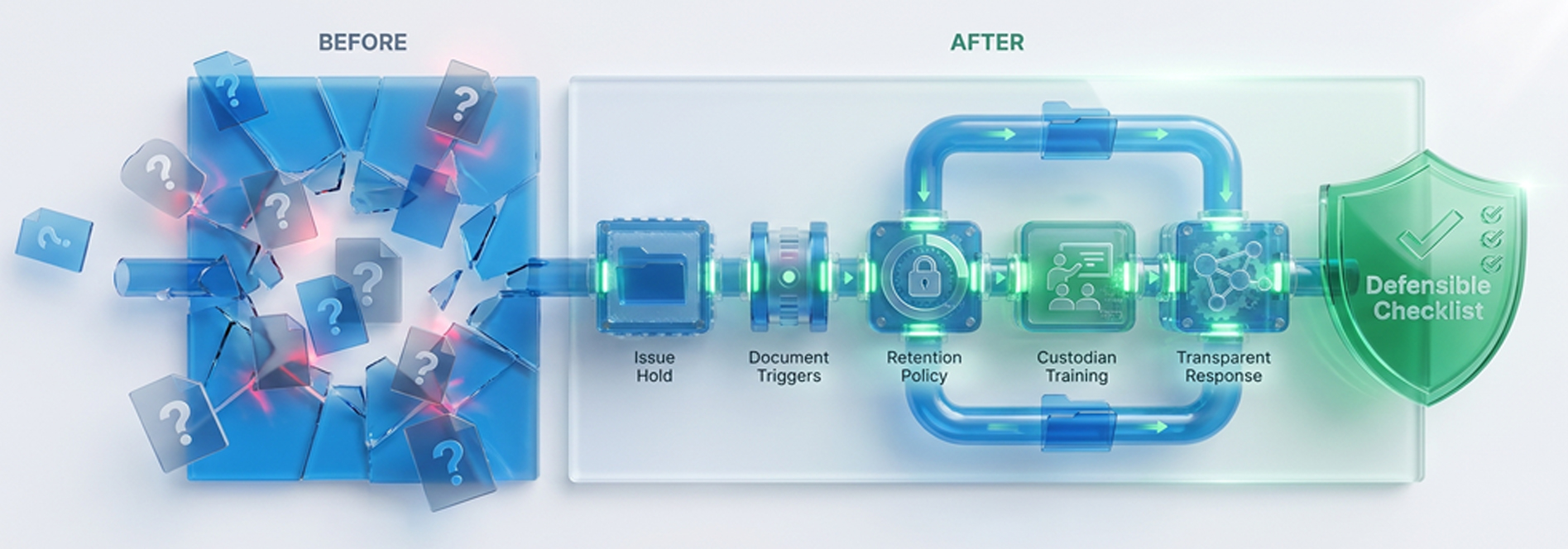
If you want a closer look at how the trigger-to-release lifecycle works in practice, read our guide to ESI and legal holds for a step-by-step walkthrough.
Turning Legal Standards Into Everyday Practice
The line between reasonable data management and sanctionable spoliation of evidence often comes down to documentation. Courts are not looking for perfection. They are looking for a process that shows genuine, good faith effort from the moment a duty to preserve began.
Building that process before a dispute arises is far easier than reconstructing it under pressure. A defensible legal hold, backed by clear records, gives legal teams the strongest position once a court applies the Rule 37(e) framework.
Every trigger event, every notice, and every acknowledgment adds up to the record a judge will eventually read. Book a Demo today to see how Venio Legal Hold Software helps legal and eDiscovery teams build a preservation program that holds up to real scrutiny.
Frequently Asked Questions
1. What Is Rule 37(e)?
Rule 37(e) is the Federal Rule of Civil Procedure that governs sanctions for failing to preserve electronically stored information. It requires reasonable steps to preserve ESI once litigation is reasonably anticipated.
2. What Is the Difference Between Rule 37(e)(1) and 37(e)(2)?
Rule 37(e)(1) allows curative measures once a court finds prejudice from lost evidence. Rule 37(e)(2) allows severe sanctions, but only once a court finds intent to deprive.
3. Does Rule 37(e) Require Proof of Bad Faith?
Rule 37(e)(2) requires proof of intent to deprive, not proof of bad faith by name. In practice, courts often treat these two standards as closely related.
4. Can a Company Avoid Sanctions if Data Is Deleted by a Routine Policy?
Yes, in many cases. Courts have declined severe sanctions where deletion matched a documented, consistently applied retention policy that predated the dispute.
5. What Should a Legal Hold Notice Include to Support Defensibility?
A defensible notice should name the trigger event, define the preservation scope and time frame, and require acknowledgment from every custodian involved.
Related Articles
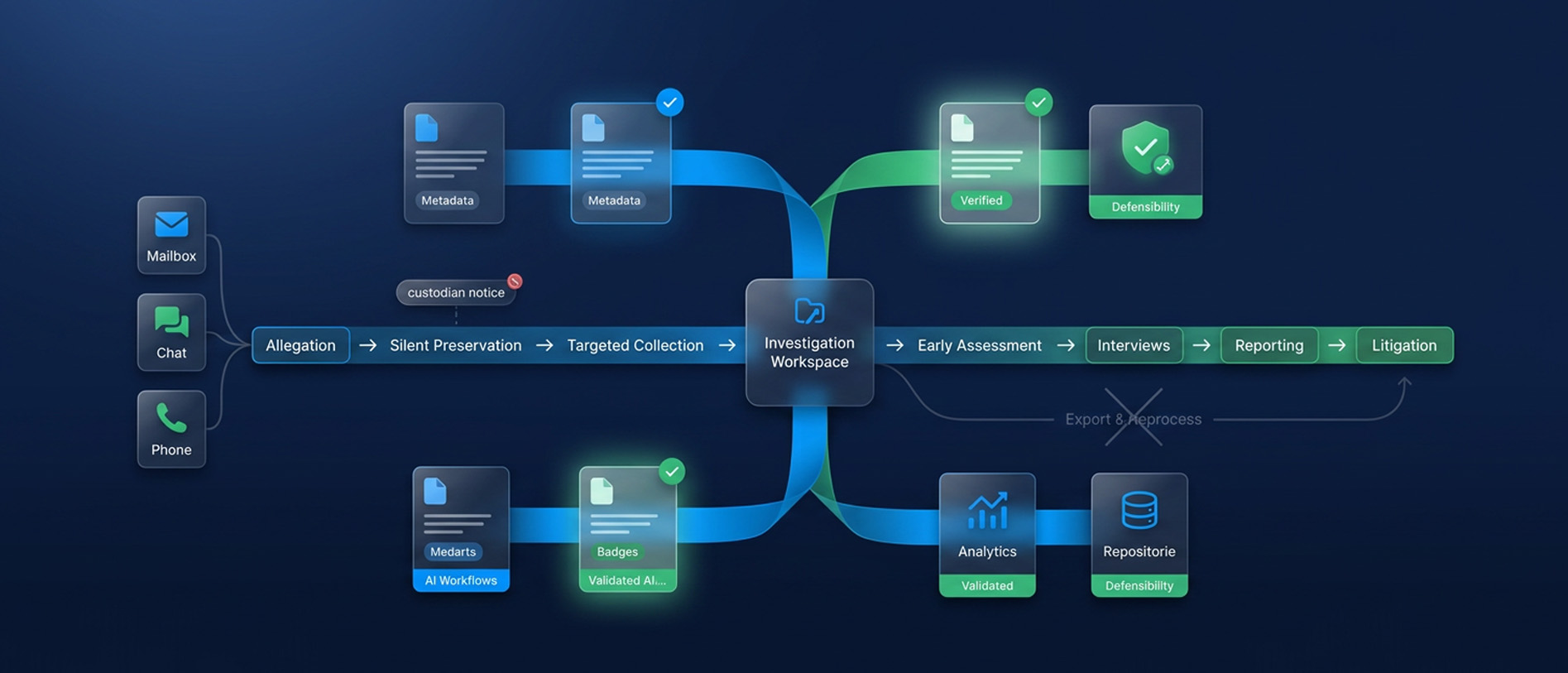
Internal Investigations: Getting the Facts Without Blowing the Matter Open
An internal investigation offers no court schedule and no second chance at prese
Read Article
eDiscovery Data Analytics & Visualization for Trial Preparation
Most litigation teams don’t lose at trial because they lack evidence. They lose
Read Article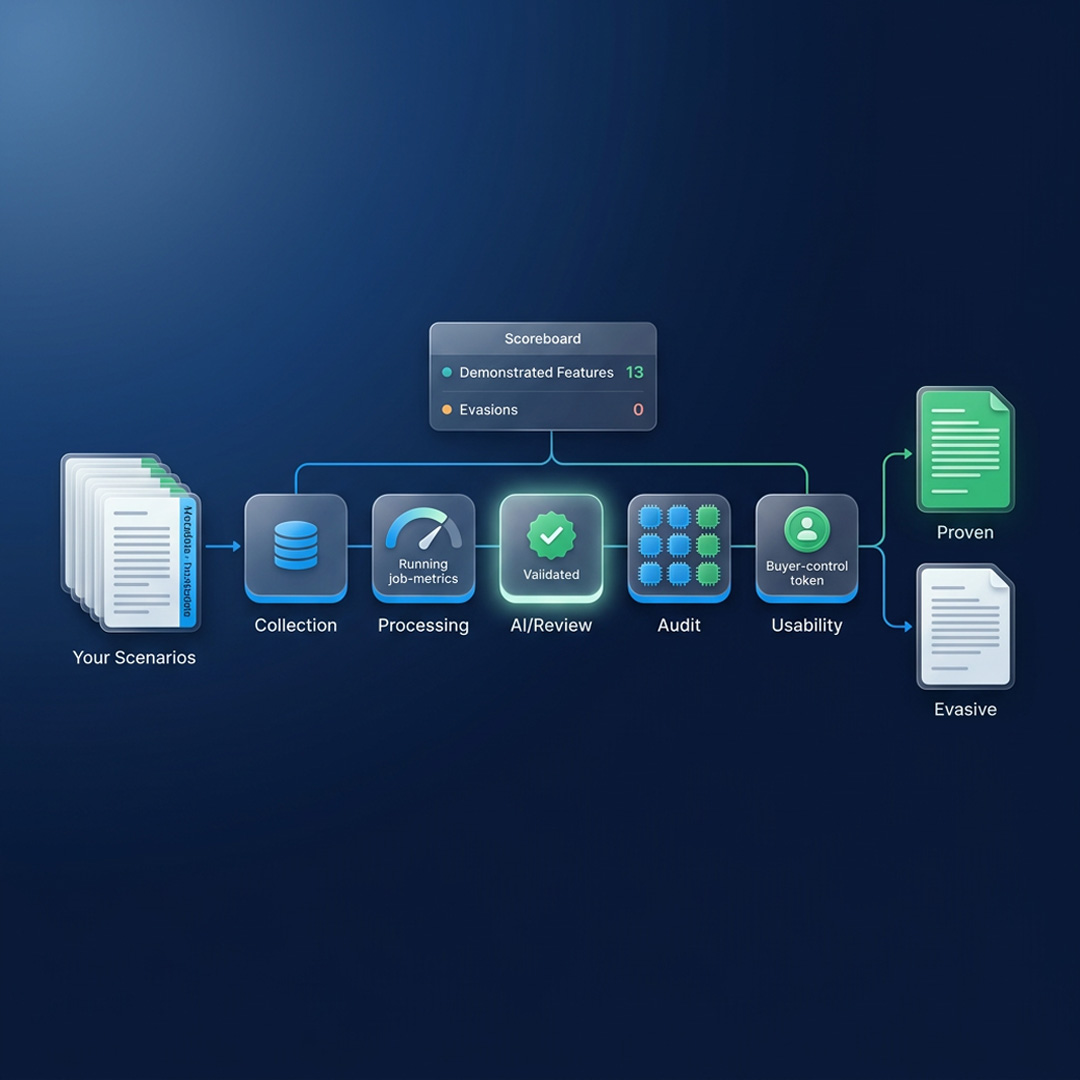
What to Ask in an eDiscovery Demo Before You Sign
Twenty questions that make an eDiscovery vendor prove processing, AI, security a
Read Article