Digital Chain of Custody: How to Track Electronic Evidence
Ready to get started?
built for clarity, control, and scale.
Share
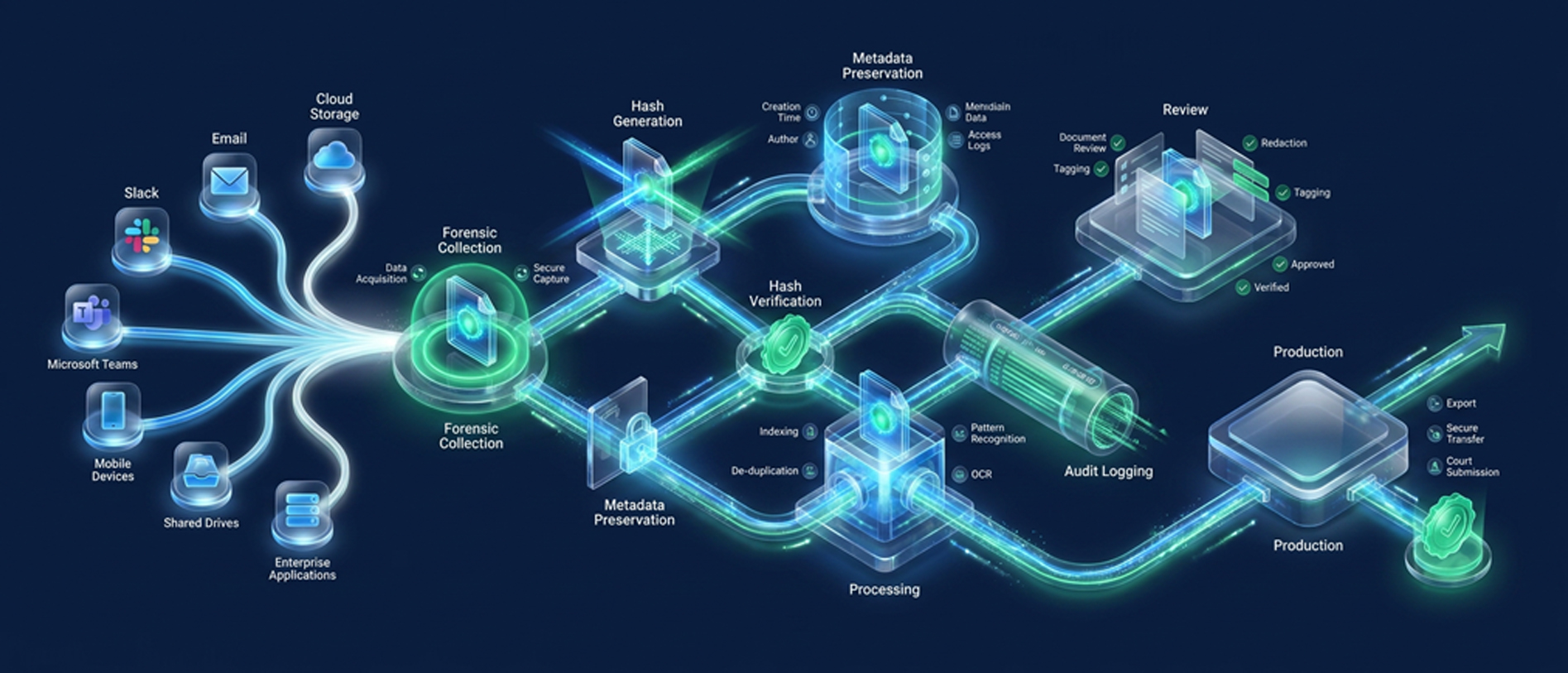
A digital chain of custody is the documented record of how electronic evidence is handled through every system that touches it, proving the data is authentic and unchanged. Unlike physical evidence you can seal in a bag, digital data can be copied, moved, or altered without any visible sign, which makes tracking it both harder and more important.
Why Digital is Harder than Physical
With a physical item, you log each person who signs it out of a sealed container. Digital data behaves differently: copying it is invisible, and even opening a file can change its metadata, including the last-accessed date. So a digital chain of custody shifts from guarding an object to tracking the data itself, through collection, processing, review, and production.
That tracking rests on three pillars: metadata showing when a file was created and modified, access logs recording who interacted with it, and audit trails following the data end to end.
Digital Forensics vs. eDiscovery
Chain of custody began in digital forensics, and both fields share the same mechanics: write-protected collection, hash verification, and an unbroken log. The difference is scale and context. A forensic investigation may center on a handful of devices; eDiscovery must hold custody across millions of documents and dozens of custodians, through processing and production. The discipline is the same, the volume is not.
The Role of Hash Values
A hash value is a string produced by running data through an algorithm such as MD5 or SHA-256. The same input always produces the same hash, and changing a single bit changes it completely.
You generate a hash at collection and re-verify it at each step: matching values prove the data hasn't changed; differing values tell you something did. MD5 is fast and common for verifying copies; SHA-256 is preferred where stronger collision resistance matters.
Tracking Custody for Cloud and Ephemeral Sources
Modern data is the real challenge. Slack messages, Microsoft Teams chats, and other ephemeral sources don't behave like a folder of files as they're dynamic, API-driven, and easy to alter or lose. Tracking custody by hand across these sources is nearly impossible.
This is where automated, forensically sound collection and continuous audit logging become essential rather than optional.
How to Maintain a Defensible Digital Chain of Custody
- Collect forensically with a qualified person and a sound method.
- Hash at collection and re-verify at every step.
- Preserve metadata rather than overwriting it by opening files.
- Lock down access with role-based controls and capture everything in audit logs.
- Minimize handoffs between disconnected tools.
- Automate the tracking so the record builds itself.
For the complete framework, including the lifecycle steps, what a defensible record contains, and a free checklist, see our guide to chain of custody in eDiscovery. And if you're worried about gaps, here's what happens if the chain of custody is broken.
Make Digital Chain of Custody Easier to Defend
Maintaining a digital chain of custody across email, cloud storage, collaboration platforms, and other modern data sources doesn't have to rely on manual tracking. The right workflow captures every action automatically, preserving evidence integrity from collection through production.
If you're evaluating how to strengthen your custody process or modernize your eDiscovery workflow, we're happy to help.
Related Articles
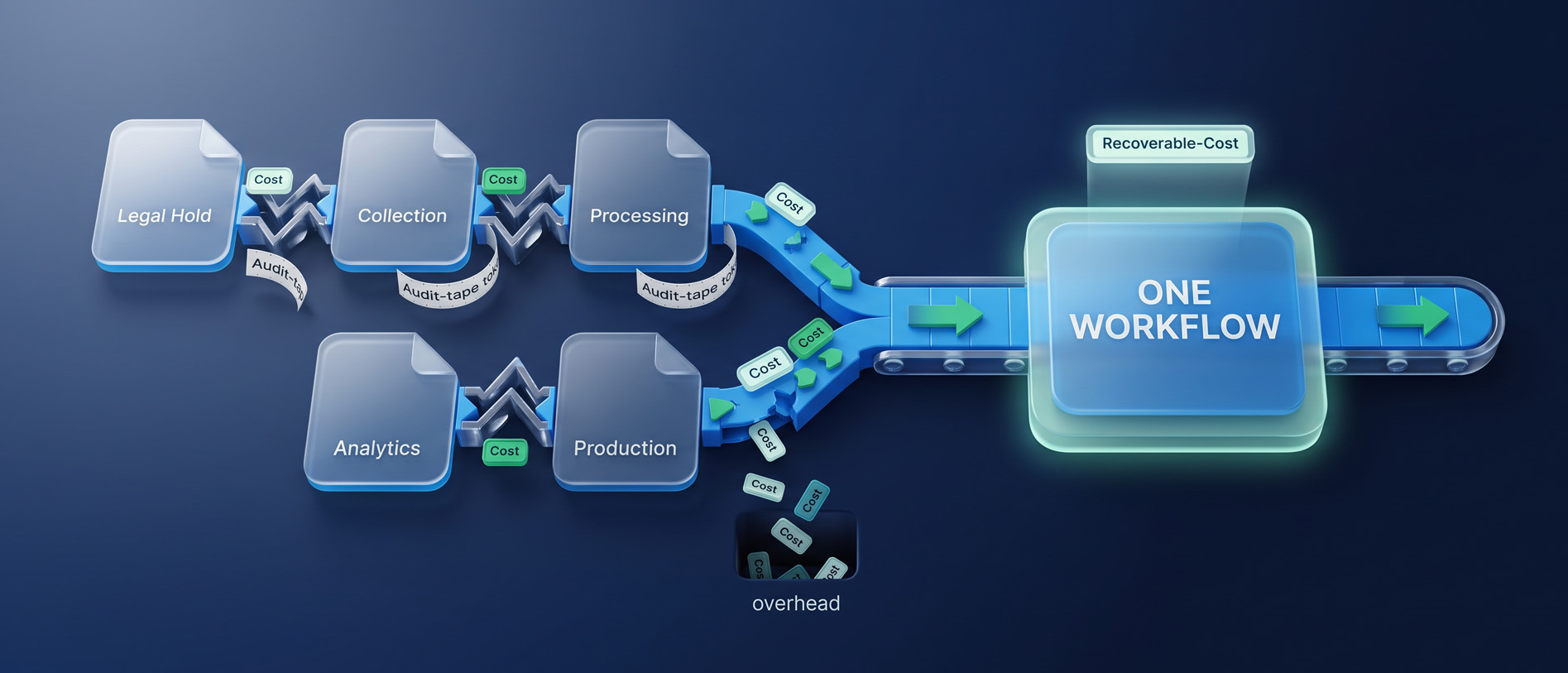
Consolidating Your eDiscovery Stack Without Disrupting Active Matters
How to consolidate eDiscovery tools without disrupting live matters, and why a f
Read Article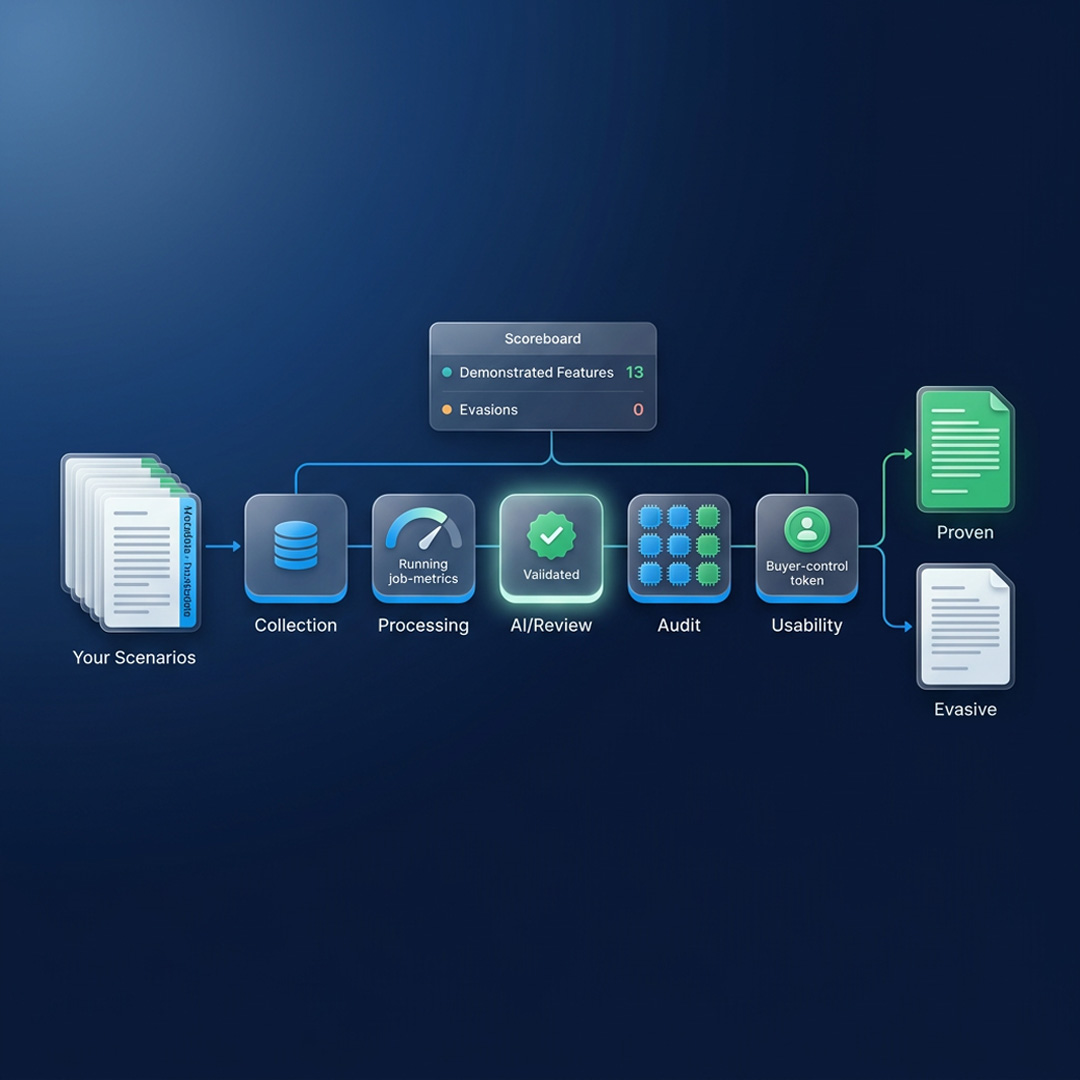
What to Ask in an eDiscovery Demo Before You Sign
Twenty questions that make an eDiscovery vendor prove processing, AI, security a
Read Article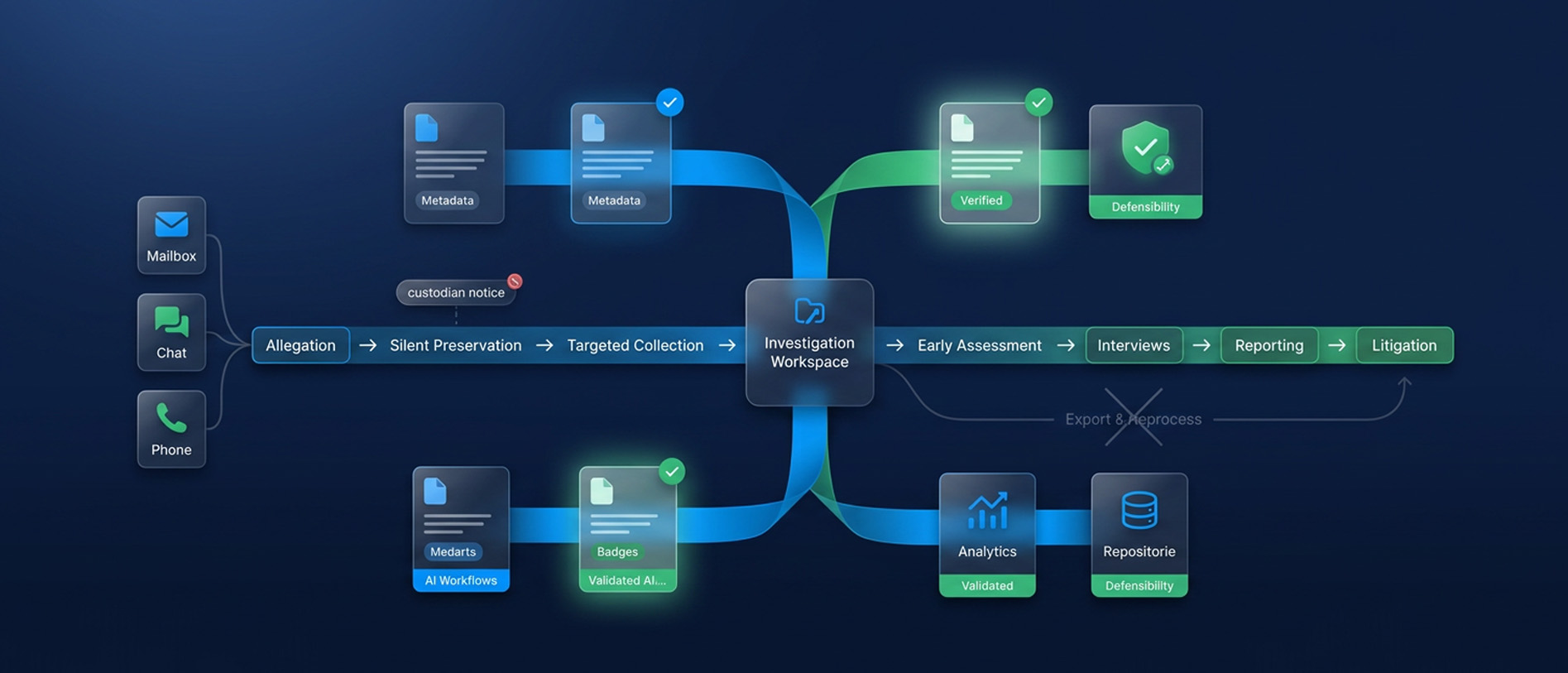
Internal Investigations: Getting the Facts Without Blowing the Matter Open
An internal investigation offers no court schedule and no second chance at prese
Read Article