From Testing to Trusted: The Open Questions on AI in eDiscovery
Ready to get started?
built for clarity, control, and scale.
Share
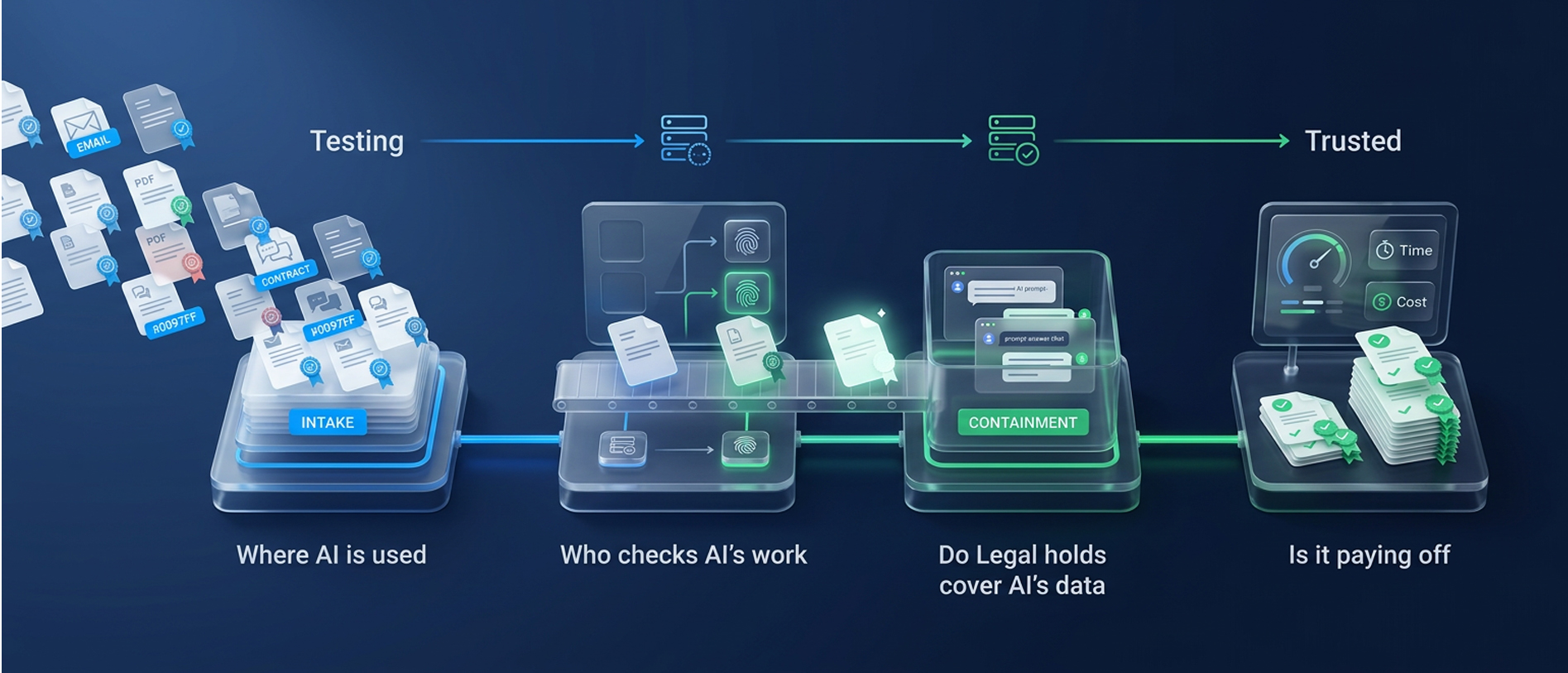
A couple of years ago, the question in most legal teams was whether to use AI in discovery at all. That question has moved on. Today the harder questions are practical ones: where AI belongs in a matter, who stands behind its output, and whether it’s earning its place.
There’s no shortage of opinions on those questions. Product launches, conference panels, and LinkedIn threads all have something to say. What’s harder to find is a clear picture of what teams are actually doing on live matters.
That’s why we’re running the AI in eDiscovery Benchmark 2026. Here are the four questions at its heart, and why each one matters.
1. Where is AI actually being used?
“Using AI” can mean very different things. For one team, it’s summarizing a deposition transcript. For another, it’s making first-pass relevance calls across hundreds of thousands of documents. The risk, the oversight, and the value are completely different in each case.
So the benchmark doesn’t just ask whether teams use AI. It asks where: early case assessment, document review, privilege review, summaries, deposition prep, or legal holds. That way, teams are compared with others using AI in the same way.
2. Who checks AI’s work?
This is the question with the most at stake. When AI helps decide which documents go to the other side, someone still has to stand behind the production.
Courts have started to weigh in. In Schulte v. LinkedIn, a federal court in California analyzed generative AI review under the same principles it applies to established technology-assisted review, rather than treating it as something entirely new. That’s encouraging for teams using AI. It also means familiar expectations still apply: a reasonable process, sensible validation, and the ability to explain what you did.
What’s less clear is what “checked” means in practice. Do reviewers look at every AI decision, or a sample? Is accuracy measured, or assumed? The benchmark asks teams directly.
3. Do your legal holds cover AI data?
AI doesn’t only change how teams review documents. It also creates new ones. Every time someone at work asks Copilot or ChatGPT a question, there’s a prompt and an answer that could matter in a dispute.
Hold templates written a few years ago won’t mention these tools. That raises simple but important questions. Does your hold notice cover AI tools? Do you know what those tools keep, and for how long?
The benchmark asks whether teams’ legal holds cover AI chats today: always, sometimes, or not yet.
4. Is it paying off?
AI is often justified on time and cost. But how do teams actually measure the return? Hours saved, faster turnaround, accuracy compared with human review, lower outside counsel or provider spend: each tells a different story, and some teams haven’t started measuring at all.
That isn’t a criticism. It’s an honest gap, and one worth understanding before the next budget conversation.
Why we’re asking, and what you get
Individual experience only goes so far. A benchmark turns many individual answers into a shared picture, so every team can see where it stands against peers like them.
The survey has 10 questions and takes about 3 minutes. It’s open to anyone who works on eDiscovery: law firms of every size, corporate legal teams, service providers, and government.
What we commit to:
- Answers are reported only as overall totals. Nothing is linked to you or your organization.
- Results are broken out by peer group, so a mid-size firm can compare itself with other mid-size firms.
- Everyone who takes part gets the full report before it’s published.
The survey closes on 20 November, and the report follows in January.
AI in eDiscovery is moving from testing to trusted. The more teams share how they really work, the clearer that path becomes for everyone.
Related Articles
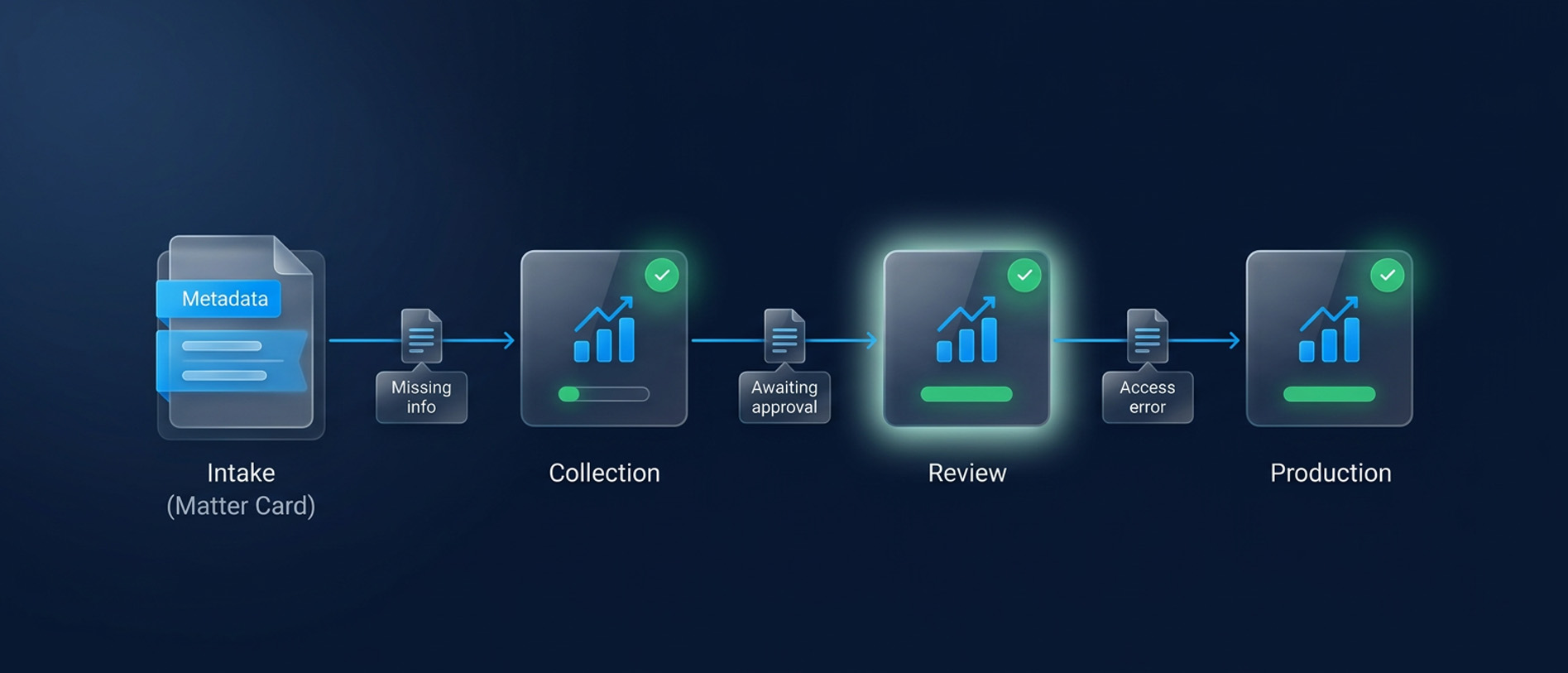
Legal Workflow Automation for Faster eDiscovery
Reduce discovery delays with legal workflow automation. Clarify ownership, resol
Read Article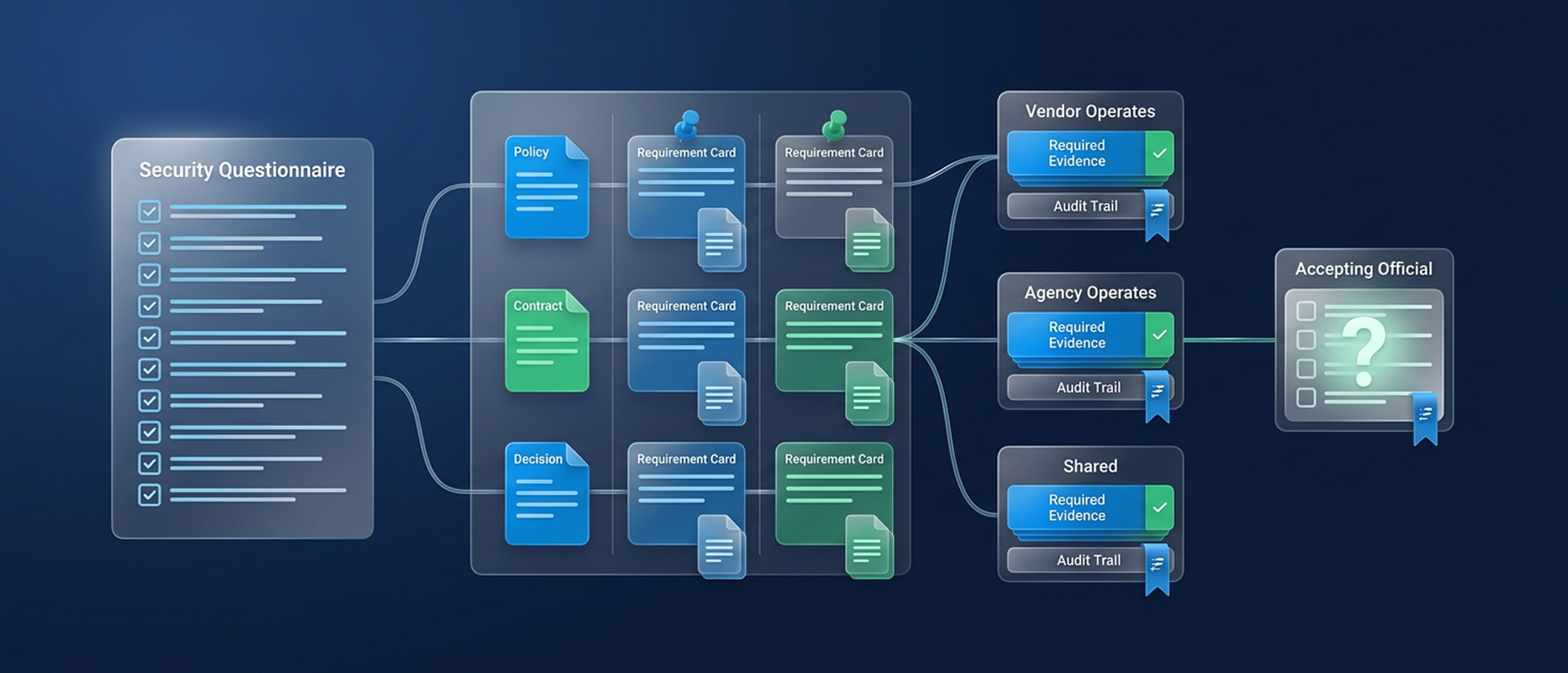
A Buyer’s Guide to Government eDiscovery Security
Evaluate government eDiscovery security requirements, FedRAMP 20x and NIST contr
Read Article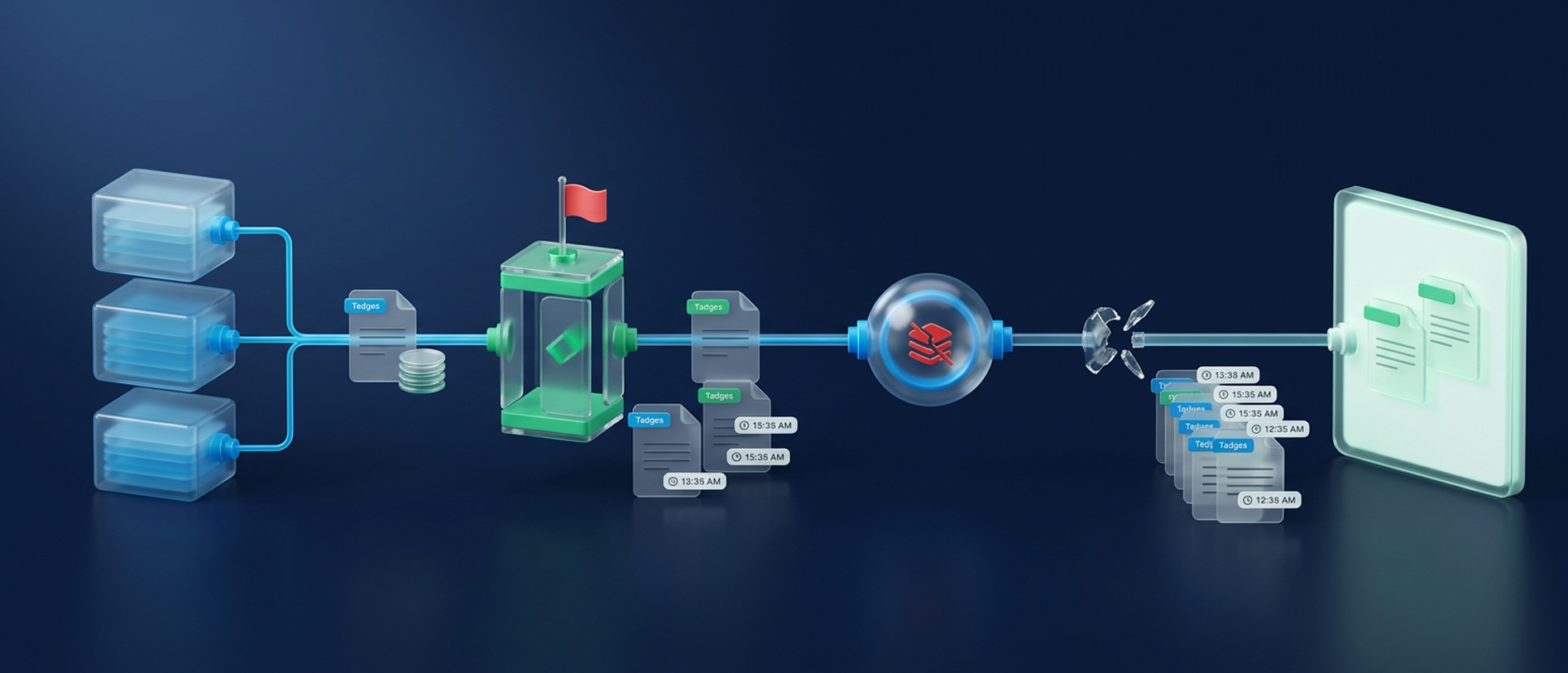
Information Governance and eDiscovery Readiness
Find the gaps between retained data and reviewable evidence. Assess information
Read Article