Why Teams Leave Relativity and How to Choose Among Relativity Alternatives
Ready to get started?
built for clarity, control, and scale.
Share
Most Relativity evaluations start with the wrong question. Teams ask whether another platform can match Relativity's capabilities, when the thing driving them out was never capability. Relativity is one of the most powerful review platforms ever built, and nobody seriously disputes that.
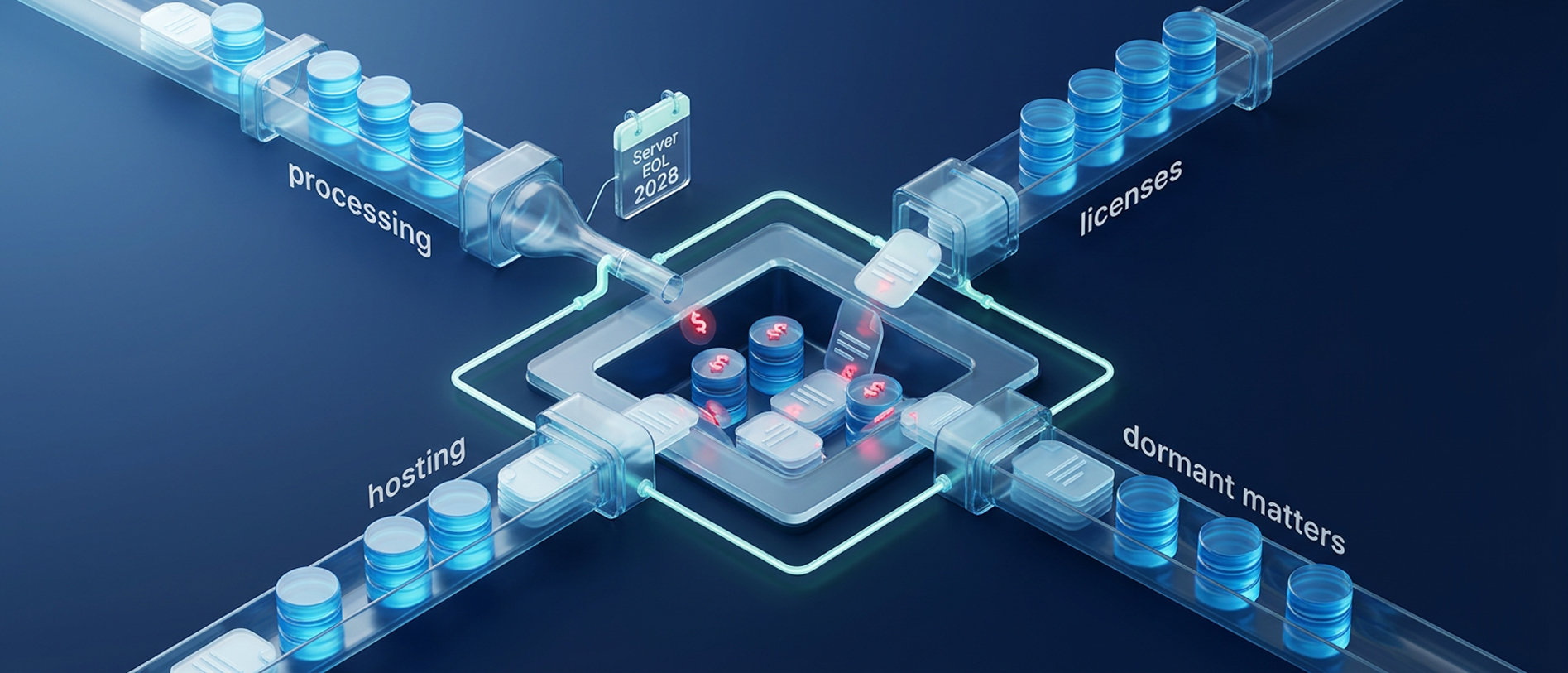
What they are actually leaving is the operating model around it. Consumption pricing that scales faster than the caseload, a certification requirement that concentrates work in one or two people, and a Server sunset that removes the option of doing nothing.
This blog reframes the evaluation. It covers the four reasons teams leave, drawn from verified user reviews and Relativity's own announcements. It then gives you a practical framework for judging Relativity alternatives on cost, control, and defensibility, and shows where Venio fits.
The Real Reasons Teams Leave Relativity
Ask teams that have already made the switch why they left, and the answers rarely mention features. Relativity remains one of the most capable review platforms ever built, and nobody seriously disputes that. The frustrations sit one layer deeper, in how the platform is priced, staffed, stitched together, and now sunsetted. Four themes come up again and again, and they tend to arrive in this order.
1. Relativity Pricing Grows Faster Than Your Caseload
Relativity pricing follows a consumption model. You pay for processing by the gigabyte, for hosting by the gigabyte per month, and for licensing by the user. On a proposal, that structure looks tidy. In production, it behaves very differently, because your invoice tracks data volume rather than your budget, and data volume only ever moves in one direction.
Consider the arithmetic on a single mid-sized matter. At five dollars per gigabyte per month, a 500 gigabyte review workspace costs 2,500 dollars monthly and 30,000 dollars annually before processing fees, user licenses, or analytics add-ons. Multiply that across every active matter in your portfolio and remember that closed matters rarely go to zero.
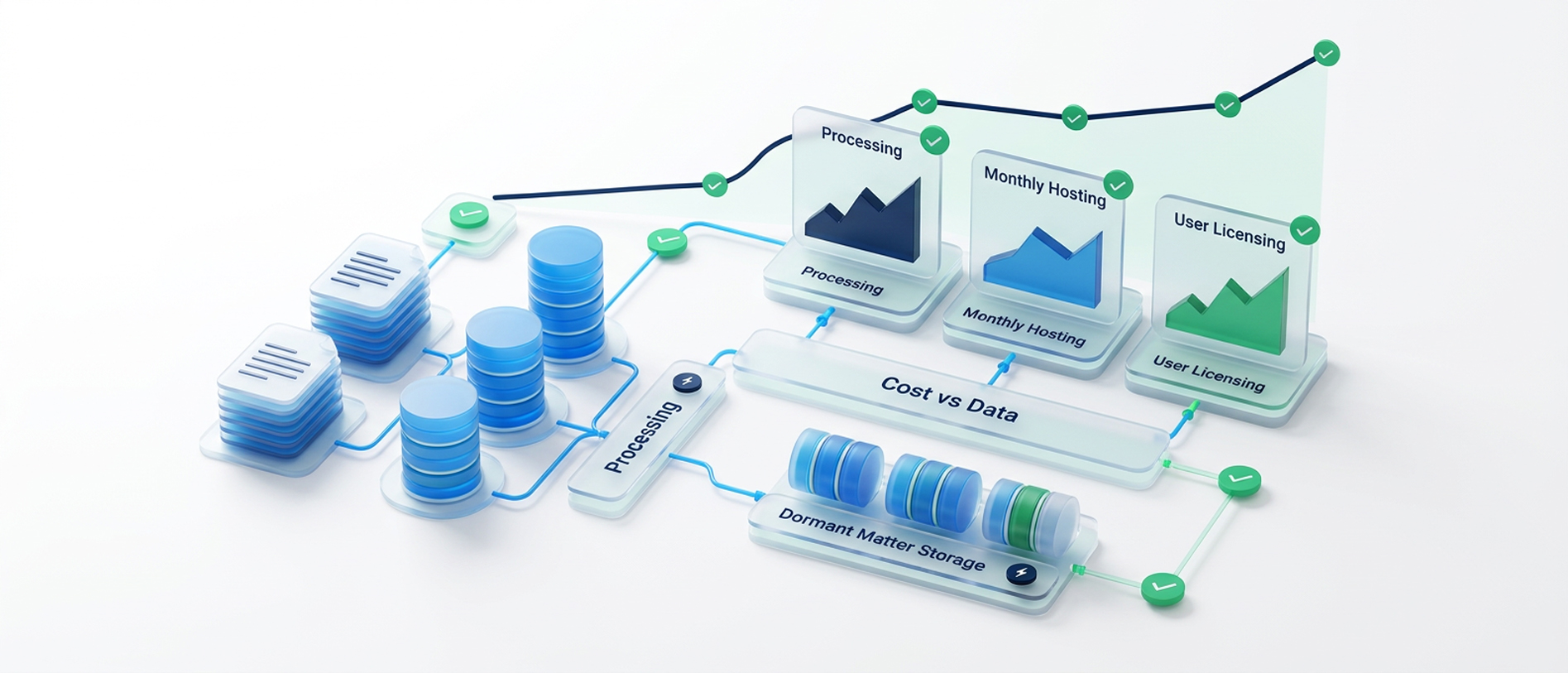
That is where relativity hosting costs sting most, as stored data bills monthly whether anyone accesses it or not. Even dormant matters usually carry reduced rates, and public marketplaces list separate per gigabyte charges. Across active and inactive matters, pricing becomes a forecasting problem you cannot reliably budget.
Users say the same thing in public. On G2, reviewers praise its capabilities while describing the cost as steep, especially for smaller matters where user fees and minimums can erode value. When ediscovery cost reduction becomes a priority, hosting is usually the first expense reviewed and the hardest to explain. Which is why fixed-fee relativity alternatives have shifted from a nice-to-have to a standing procurement requirement.
2. Routine Work Requires Certified Specialists
Relativity was built for experts, and it shows in the org chart. Standard administration tasks, from workspace setup to permissions and production quality checks, typically route through a Relativity Certified Administrator, a credential that is intentionally rigorous. That turns everyday platform work into specialist work, creating a dedicated salary line, a hiring challenge in a thin talent market, and a potential single point of failure when an administrator leaves mid-matter.
The pattern is visible in almost any relativity ediscovery review thread on G2 or Capterra, where reviewers repeatedly mention a steep learning curve. New users often need weeks to become productive, while case teams queue behind administrators for changes they could make themselves in simpler tools. The real cost is not only the specialist headcount but also the review hours lost to configuration delays and the deadlines padded to absorb the wait.
3. The Workflow Is Fragmented Across Stages
Processing, early case assessment, review, and production behave like connected but separate stages in Relativity. Moving a matter between them often means exports, load files, and manual handoffs, each one performed under deadline pressure. Every handoff adds hours of technical work. Every export is a chance for metadata to drift, a document family to break, or a Bates range to collide, and each of those errors surfaces at the worst possible time, which is production.
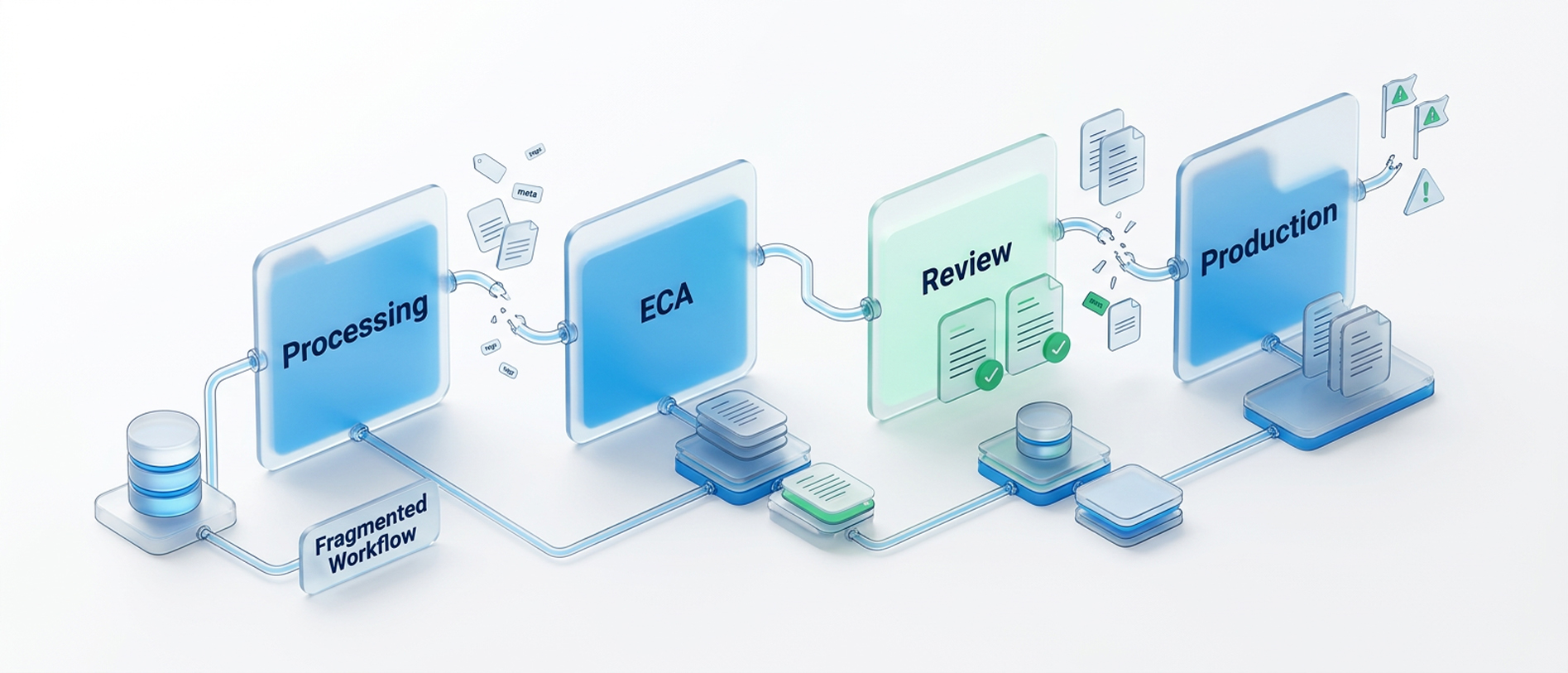
The same relativity ediscovery review pages also note performance lag on very large datasets, which compounds the fragmentation. A heavy platform with seams in the workflow punishes teams twice. Small teams feel it in missed evenings and weekend exports. Large teams feel it in the headcount hired specifically to babysit data movement.
This is the exact failure point that unified platforms like Venio designed from the start, keeping every stage of a matter in one database so there is nothing to export and nothing to break.
4. Relativity Server End of Life Removed the Option to Stand Still
For years, the safest move for on-premises Relativity teams was no move at all. The workflows were proven, the infrastructure was paid for, and the data never left the building. That option now has an expiry date.
Relativity has announced that from January 1, 2028, all new matters must be created in RelativityOne, its cloud platform, with support continuing only for Server matters created before December 31, 2027, as reported by LawSites. More than three quarters of Relativity's business has already moved to the cloud, and the company is steering the rest.
The Relativity Server end of life changes the decision for every on-premises team, and not in the way the vendor intends. If you must plan a relativity migration anyway, the strongest argument for staying put, which was always the pain of switching, disappears. Moving into RelativityOne is no longer the default next step but one option among several, and it trades infrastructure you own and control for RelativityOne pricing that scales by the gigabyte, forever.
Teams that originally chose Server precisely because they wanted data control are treating this deadline as the moment to evaluate the entire market rather than accept the vendor's preferred path. It is also why platforms that kept investing in genuine on-premises and hybrid deployment, Venio among them, are meeting former Server teams whose first evaluation requirement is already written, that no vendor will ever again decide where their data lives.
When Staying on Relativity Still Makes Sense
Honesty matters in an evaluation like this. If your organization runs mega-matters with tens of millions of documents, employs a bench of certified specialists who are fully utilized, and depends on niche marketplace applications with no equivalent elsewhere, Relativity may still be the rational choice. The complexity you are paying for is the complexity you are actually using.
The problem is that this describes a shrinking share of the install base. For everyone whose administrator spends more time fighting the platform than enabling review, whose invoices climb faster than caseloads, and whose on-premises environment now faces a forced transition, the calculus has changed. That is the audience the rest of this guide is written for.
How to Evaluate Relativity Alternatives
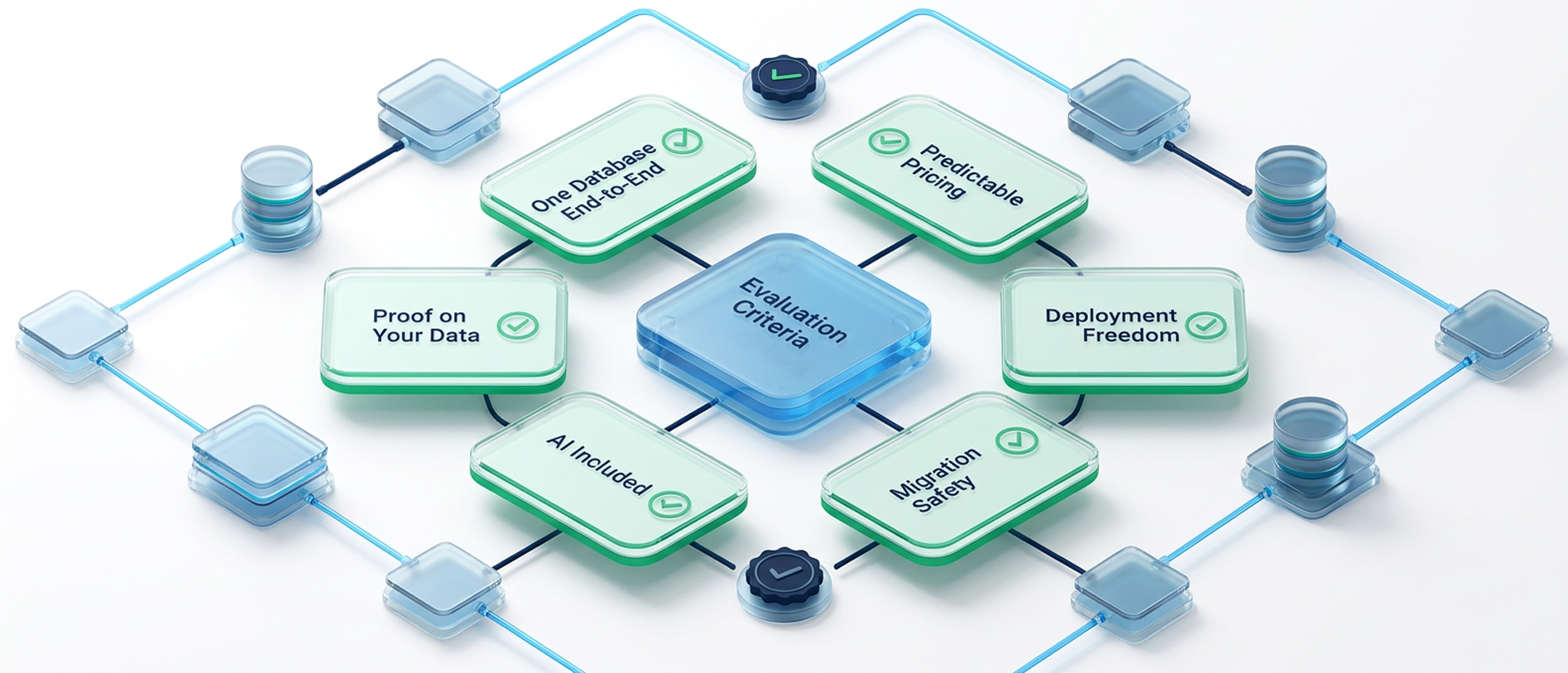
Lists of relativity ediscovery competitors run long. Everlaw, DISCO, Casepoint, Reveal, Nuix, and a dozen others all position themselves as the obvious next step. The most comparison content stops at feature checklists that every vendor passes. A sharper filter is to test each candidate against the four problems that sent you searching for ediscovery software alternatives in the first place. Six criteria separate platforms that fix those problems from platforms that repackage them.
- One Database, End to End: The platform should run processing, ECA, review, and production on a single data layer with no exports between stages. If a vendor cannot demonstrate this in a live environment, on your data, the fragmentation you are escaping will follow you to the new platform.
- Pricing You Can Forecast: Ask for fixed annual pricing and demand every per gigabyte line item in writing, because relativity hosting costs rarely appear in a headline quote and their equivalents elsewhere will not either. If relativity ediscovery pricing taught you anything, it is that consumption models reveal their true cost around month six, long after the contract is signed.
- Deployment Freedom: Most relativity competitors are cloud only, which quietly trades one constraint for another. If you handle government, cross-border, or highly regulated data, you need genuine on-premises, air-gapped, and hybrid options running the same platform, not a roadmap promise or a stripped-down sibling product.
- Migration Safety: Your tags, coding decisions, and redactions represent years of billable work and the full history of your matters. The platform must ingest standard load files natively and preserve every bit of that work product, with validation you can audit.
- AI Included, Not Invoiced: Continuous active learning and AI review should be part of the core license. Add-on AI priced by the gigabyte recreates the exact cost spiral you are trying to leave, just with a newer label on the invoice.
- Proof on Your Own Data: Demo environments are curated. Insist on a pilot with your actual matters, your file types, and your reviewers before any commitment. A vendor confident in their platform will welcome it.
For a closer look at how the biggest cloud-only names stack up against each other, see our comparison of Everlaw vs Relativity, which explains why the most common shortlist quietly forces a trade-off between usability and control that you do not have to accept.
Where Venio Fits Among Relativity Competitors
Venio Systems was built for exactly this evaluation. It is a unified eDiscovery platform that runs legal hold, processing, ECA, review, and production on one database, so matters move between stages without a single export, load file, or weekend handoff. Held against the six criteria above, the differences map directly onto the reasons teams leave.
- Predictable Cost: Venio uses fixed annual pricing with no per gigabyte hosting surprises, so the number you budget in January is the number you pay in December, regardless of how much data your matters generate. Clients report cutting total cost of ownership by up to 50 percent compared with legacy platforms, which is why teams tasked with ediscovery cost reduction tend to feel the difference on the very first renewal.
- No Specialist Tax: The interface is built for self-service, so your team creates projects, manages permissions, and runs productions without queuing behind a certified administrator. Your experts get to do expert work instead of ticket triage.
- Speed at Scale: The platform processes more than 10 terabytes per day with a job prioritization queue for sequencing urgent matters, and Venio AI Review cuts review sets by up to 70 percent before a human opens the first document. Power without the lag that reviewers report on legacy platforms.
- Deploy Your Way: Unlike most relativity ediscovery competitors, Venio runs the same platform in the cloud, on-premises, or hybrid, with SOC 2 Type II certification and a FedRAMP-ready architecture. The relativity server end of life forces a cloud decision on Relativity's terms and Relativity's timeline. Venio lets you make that decision on yours, including the decision to keep sensitive matters behind your own firewall indefinitely.
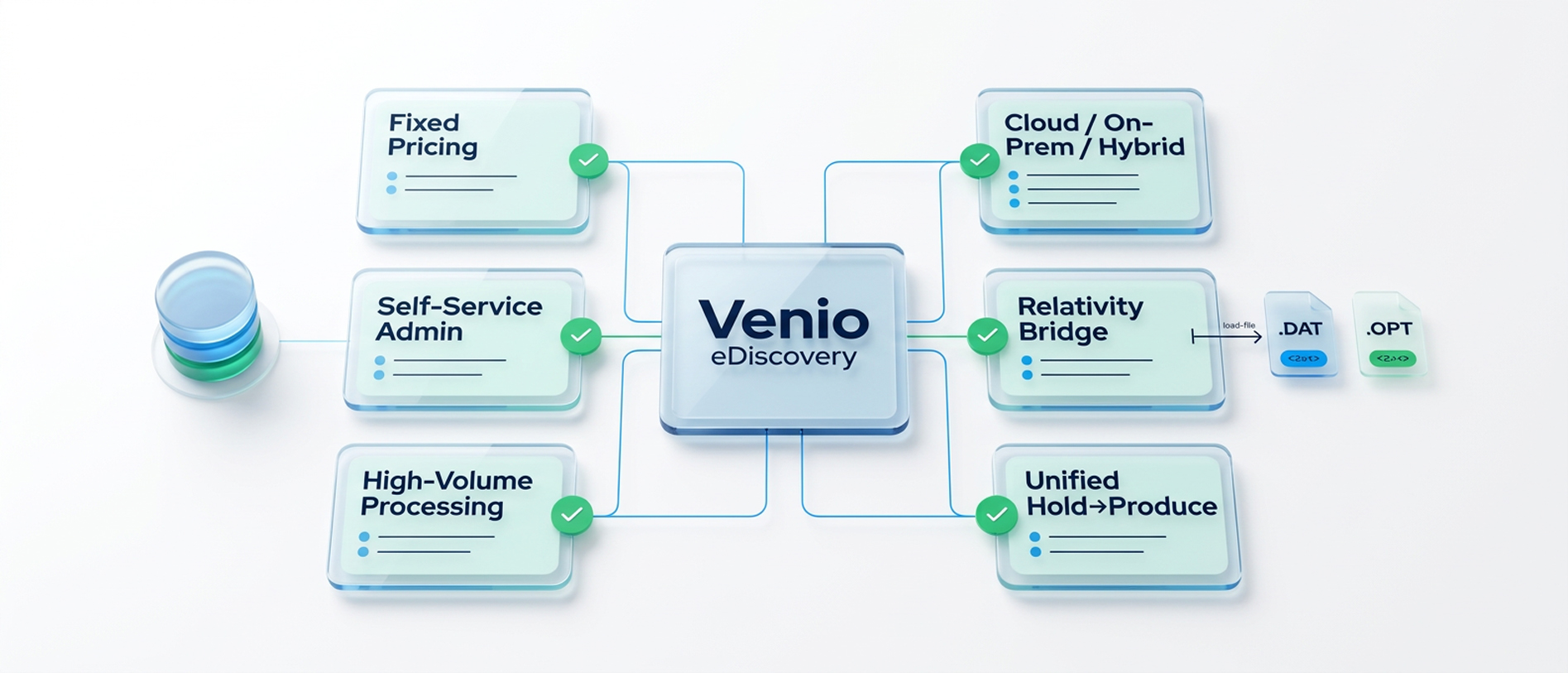
Switching from relativity is also engineered to be safe rather than brave. Venio's Relativity Bridge natively ingests .DAT and .OPT load files, retains 100 percent of your coding, tags, and redactions, maps Relativity fields to Venio metadata in seconds, and charges zero per gigabyte ingestion fees during the move. The work product your team spent years building arrives intact, and your reviewers pick up where they left off.
How Switching From Relativity Usually Works
No serious team flips a switch, and no credible vendor asks them to. The pattern that works in practice is a phased handover that proves the new platform before it carries any risk.
- Audit the Contract First: Confirm renewal dates, add-on commitments, and data export rights before signaling anything to your current vendor. Your leverage is highest before they know you are looking.
- Start New Matters on the New Platform: This proves the workflow, the training curve, and the support relationship on live work with zero migration risk, because nothing legacy has moved yet.
- Migrate Legacy Matters in Phases: Move inactive matters first, then active ones, validating load files, coding, and work product at every step. Matters approaching production or trial dates move last, on their own schedule.
Run this way, a relativity migration becomes a controlled project with checkpoints rather than a leap of faith, and most teams complete it without disrupting a single active matter. The teams that struggle are almost always the ones that waited until a renewal or a sunset deadline forced their hand, which is one more argument for starting the evaluation while you still control the calendar.
The Case for Leaving Gets Clearer Every Renewal
Relativity earned its place in eDiscovery, and for a narrow band of large, specialist-heavy teams it still fits. But the ground has shifted. If your invoices climb faster than your caseload, your matters queue behind certified admins, and the Server sunset is forcing a migration you did not choose, then the switching cost that once protected your incumbent is already being spent.
The only question left is whether you spend it on the vendor's preferred destination or on the platform that actually fixes the problems. The strongest relativity alternatives now match Relativity feature for feature while removing the pricing model, the specialist dependency, and the deployment lock-in that sent you searching in the first place.
See the difference on your own data. Book a live demo and watch processing, review, and production run on one platform, deployed the way your matters require, and priced on terms you can actually forecast.
Frequently Asked Questions
Why are teams leaving Relativity?
The most cited reasons are unpredictable consumption-based costs, dependence on certified administrators for routine work, a fragmented workflow across processing, review, and production, and the announced Relativity Server sunset. Together they raise both the cost and the operational drag of staying.
What does the Relativity Server end of life mean for existing matters?
From January 1, 2028, all new matters must be created in RelativityOne. Matters created in Relativity Server before December 31, 2027 will continue to be supported, with limited exceptions. Every on-premises team therefore needs a migration plan, whether the destination is RelativityOne or another platform.
How is RelativityOne pricing structured?
RelativityOne pricing is quote-based and typically combines per gigabyte processing, per gigabyte monthly hosting, and user licensing, with rates that vary by service provider and region. Because charges track data volume, costs rise as matters grow and continue on hosted data even after review activity stops.
What are the best eDiscovery software alternatives to Relativity?
It depends on your constraints. Cloud-only platforms such as Everlaw, DISCO, and Casepoint suit teams fully committed to SaaS. Venio stands out among relativity alternatives for teams that want a unified database, fixed annual pricing, and the freedom to deploy in the cloud, on-premises, or hybrid.
Is switching from Relativity risky for existing work products?
Not if the destination platform handles standard load files properly. Venio's Relativity Bridge reads native .DAT and .OPT files and retains coding, tags, and redactions in full, so years of review decisions carry over without rework.
How long does a migration from Relativity take?
New matters can start on Venio almost immediately, with cloud environments live in days and on-premises deployments typically taking four to six weeks. Legacy matters then migrate in phases, with inactive matters moving first to minimize disruption.
Related Articles
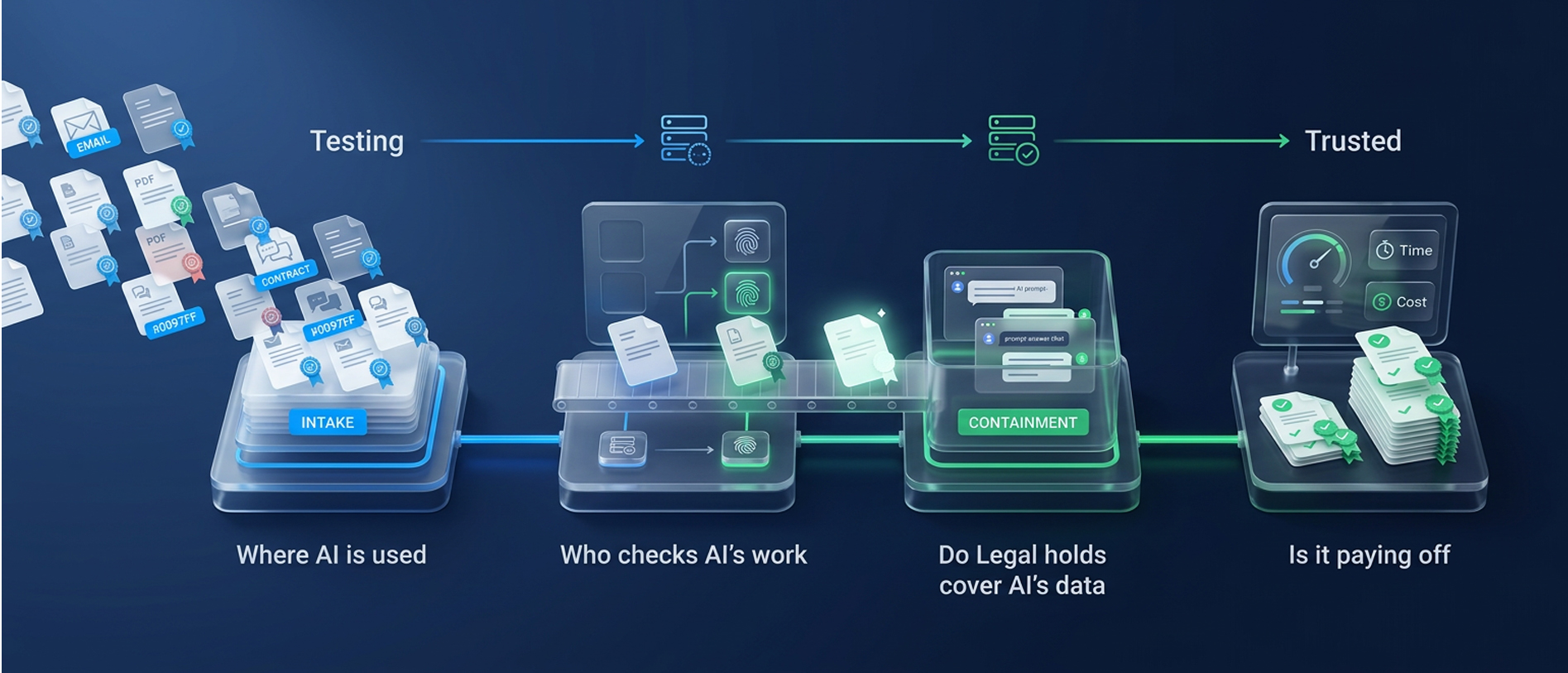
From Testing to Trusted: The Open Questions on AI in eDiscovery
Where is AI used, who checks its work, do legal holds cover AI data, and is it p
Read Article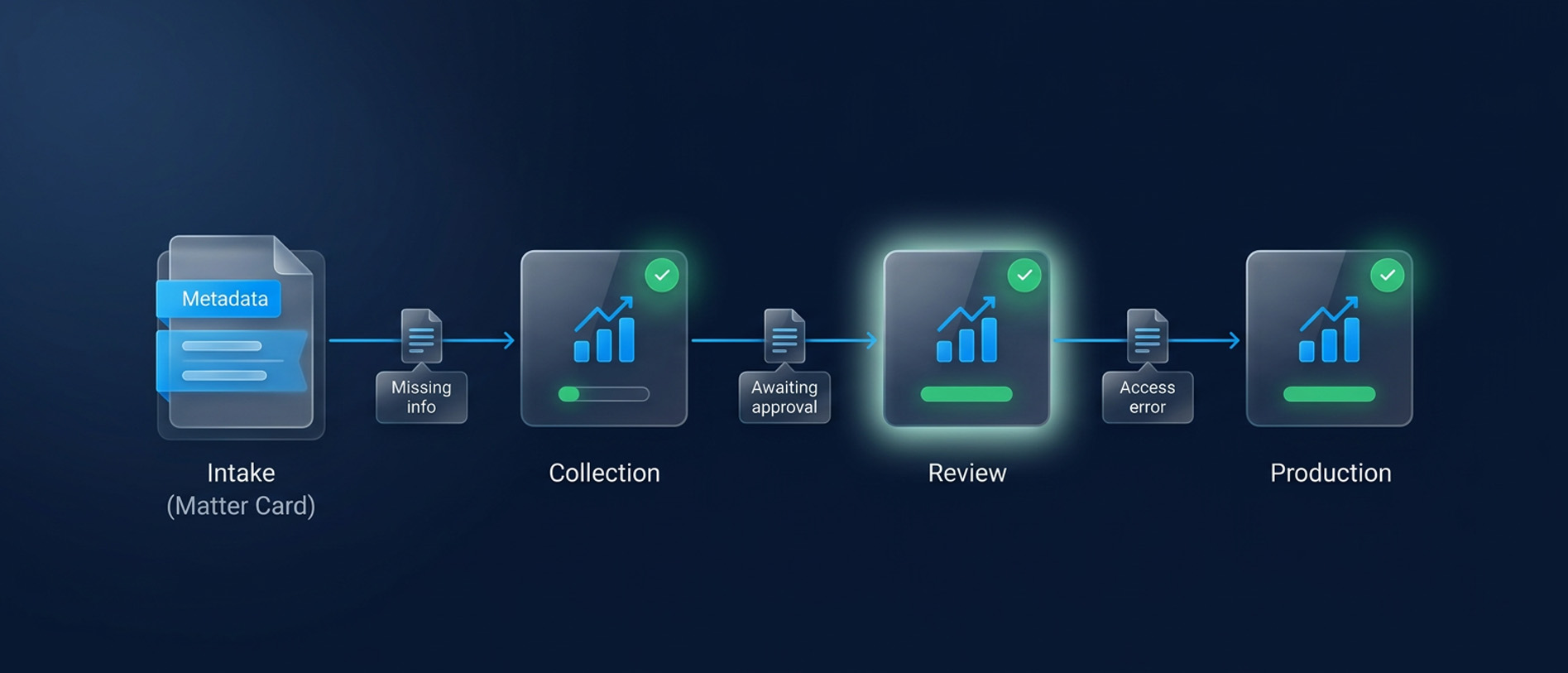
Legal Workflow Automation for Faster eDiscovery
Reduce discovery delays with legal workflow automation. Clarify ownership, resol
Read Article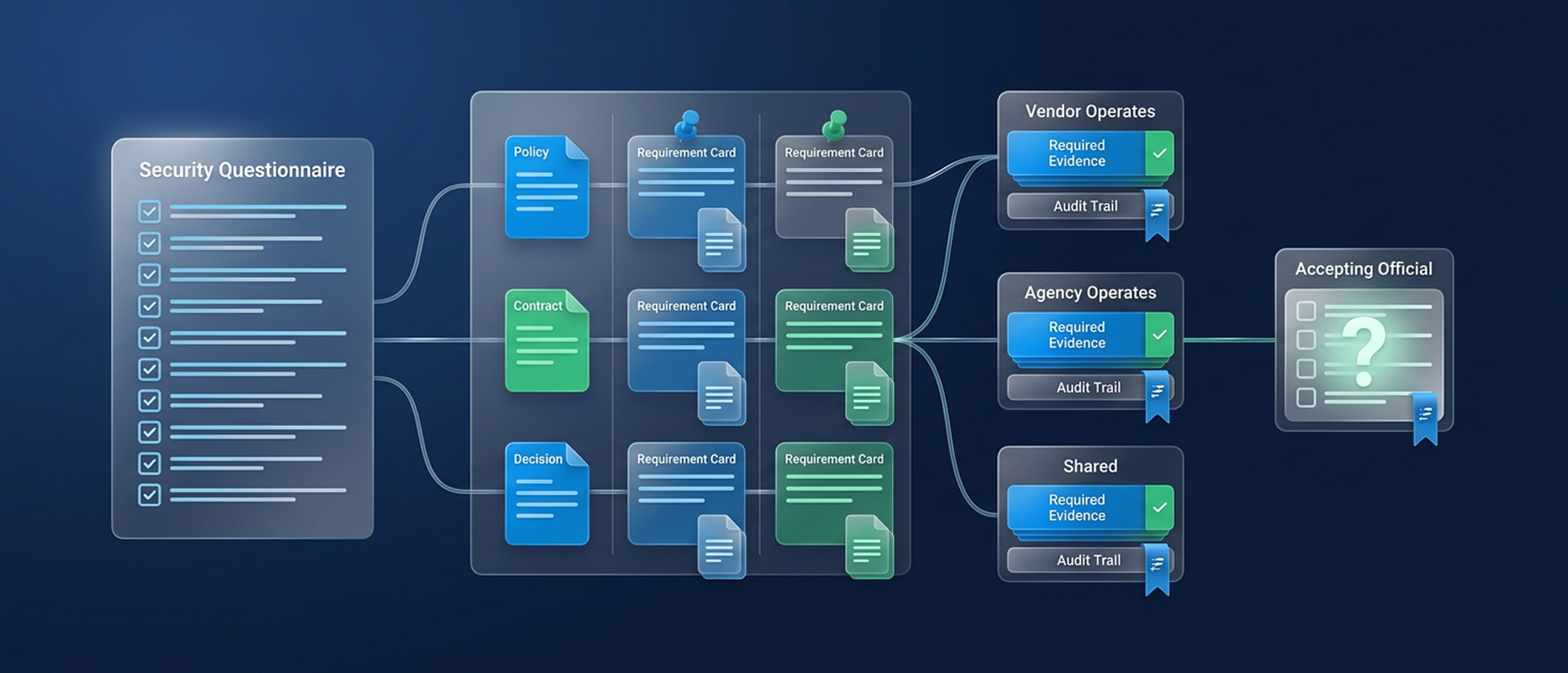
A Buyer’s Guide to Government eDiscovery Security
Evaluate government eDiscovery security requirements, FedRAMP 20x and NIST contr
Read Article